November 9, 20266 min read
Spaghetti aglio, olio e peperoncino: Naples' midnight pasta in 12 minutes
Garlic, olive oil, a pinch of chilli and a pot of water. The cheapest Italian dish there is, and one mistake ruins it. Here is how to avoid it.
In Naples they call it spaghettata di mezzanotte, midnight spaghetti. You get home late, the fridge is empty, but the cupboard has a packet of spaghetti, a bottle of olive oil and a head of garlic. Twelve minutes later you are eating one of the best dishes in Italian cooking.
Aglio, olio e peperoncino means garlic, oil and chilli. There is nothing else in it, which is exactly why it is harder than it looks. Burn the garlic and the whole plate turns bitter with no way back. Skip the emulsion and you get greasy pasta sitting in a puddle of oil. Both mistakes are easy to avoid.
Ingredients for two
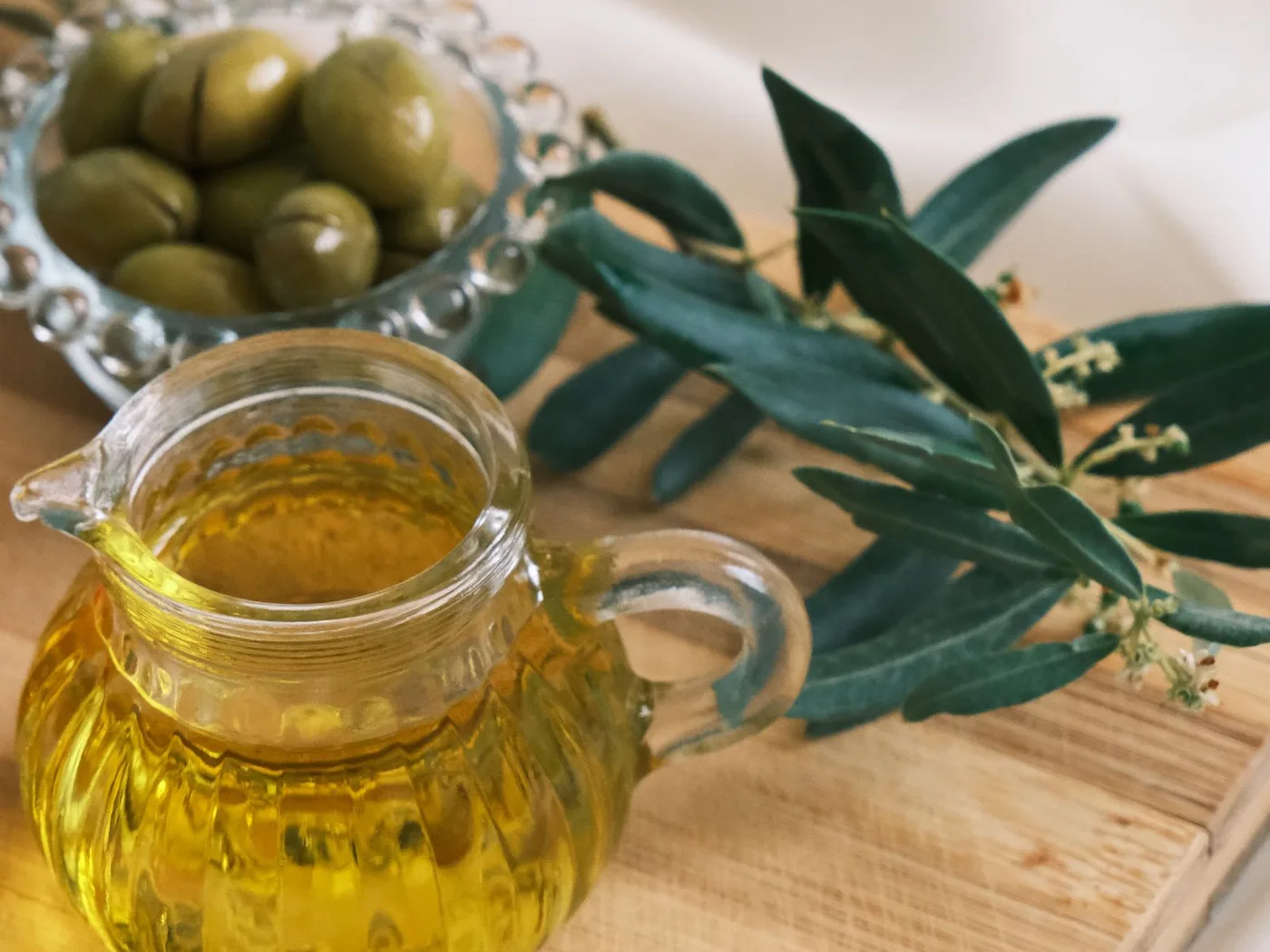
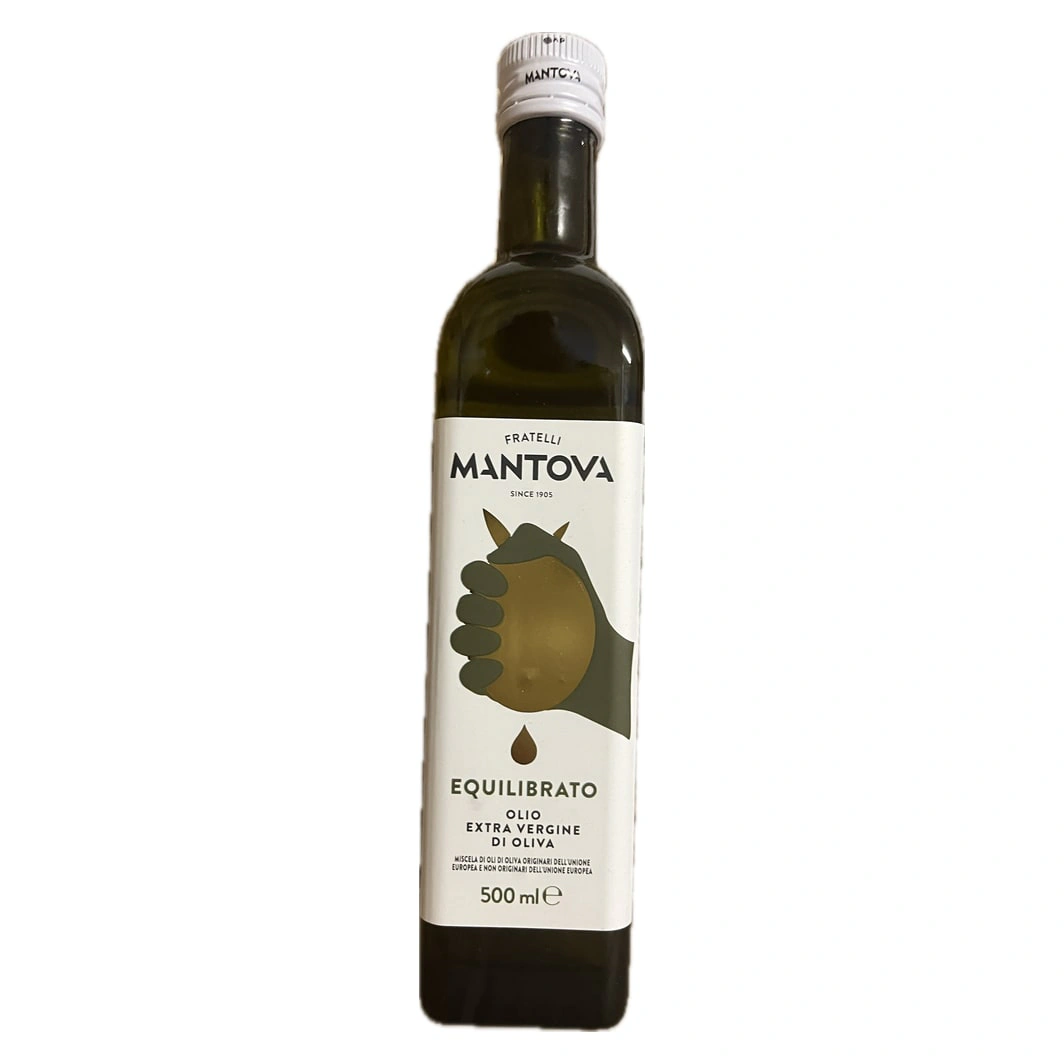
When a dish has four ingredients, you taste every one of them. The oil here is not for frying, it is the sauce. I use Fratelli Mantova Equilibrato, a mild extra virgin oil that does not shout over the garlic. How to tell a good olive oil from a bad one is in our article on Apulian olive oil.
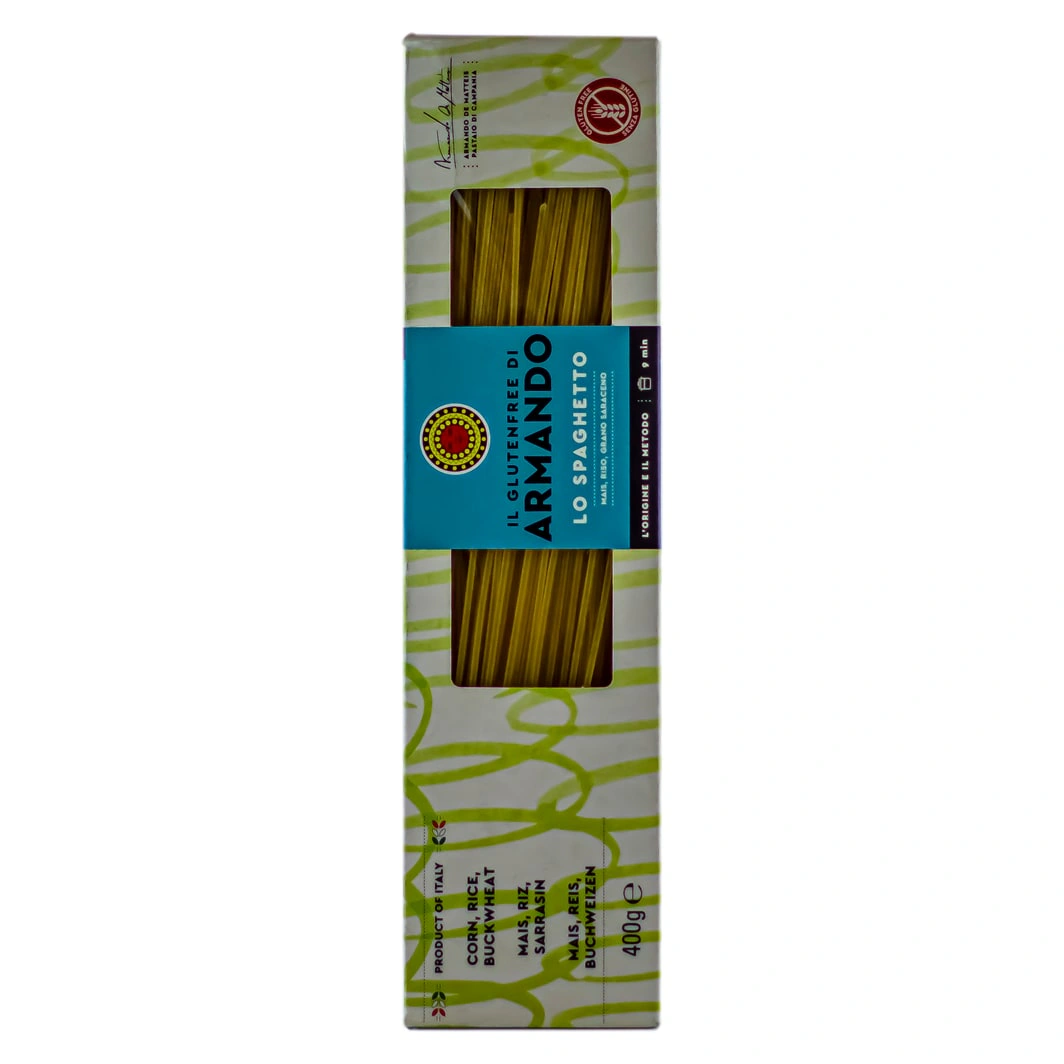
For the spaghetti you want proper wheat, because without starch the sauce will not come together. Grano Armando Spaghetti are made from Italian durum wheat and release just the right amount of starch into the water.
- 200 g spaghetti
- 6 tablespoons extra virgin olive oil, about 90 ml
- 3 to 4 garlic cloves
- 1 dried chilli or half a teaspoon of chilli flakes (depending on how hot you like it)
- a handful of fresh flat-leaf parsley
- coarse salt for the water
- Time: 12 minutes. Serves: 2.
The whole secret is the garlic
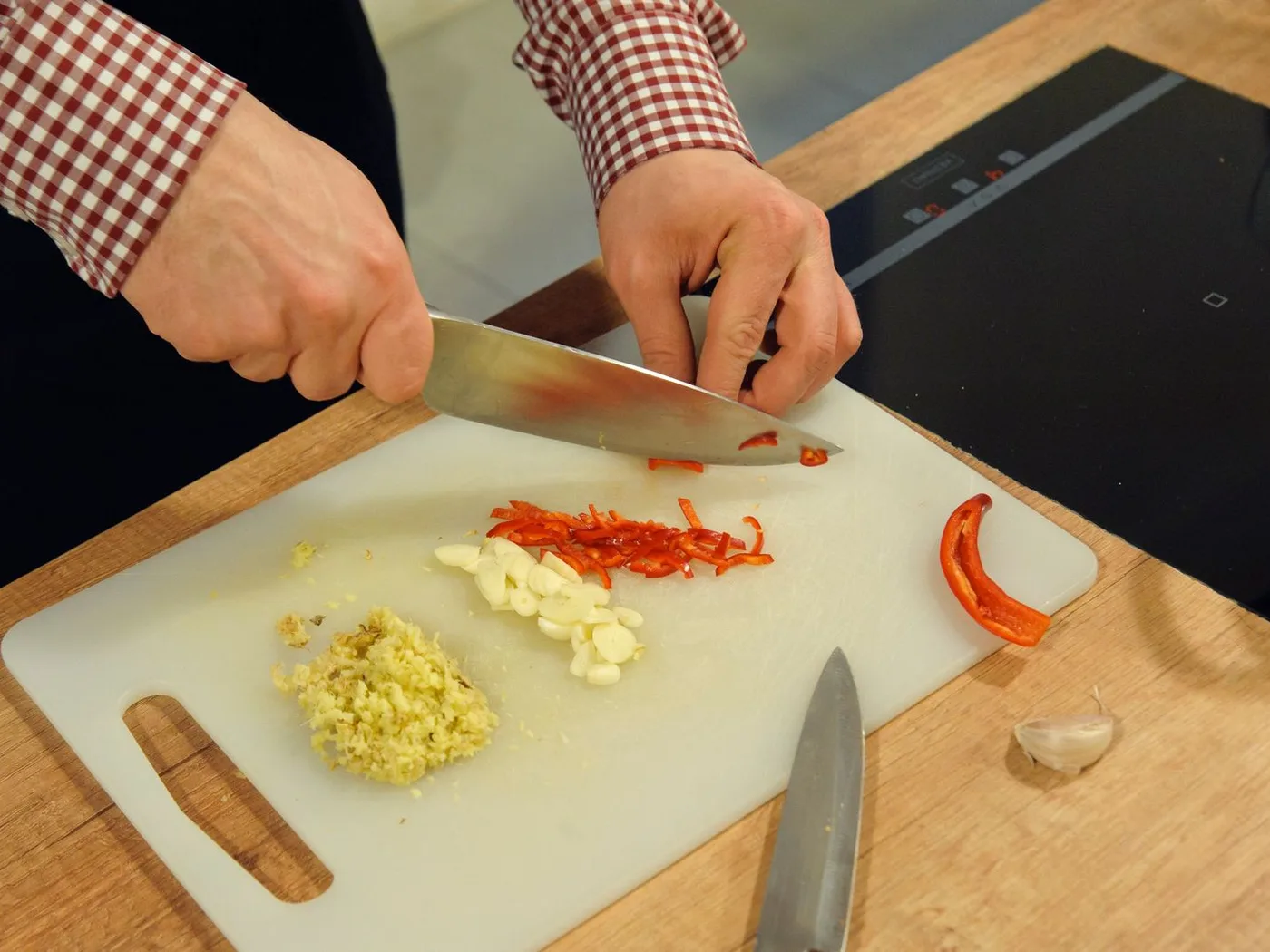
Slice the garlic thinly, do not mince or crush it. Crushed garlic burns in oil within seconds and turns sharp and acrid. Slices cook slowly and evenly.
More important is when it goes into the oil. Never into hot oil. Put the garlic into cold oil in the pan and only then turn on a low flame. The oil warms up with it, the garlic releases its aroma, and after three or four minutes it is a pale gold colour. That is when you pull the pan off the heat. If it turns brown, it is too late: throw it out and start again, or the whole plate will taste bitter.
Step by step
- Bring a large pot of water to the boil and salt it. While it heats up, slice the garlic thinly, chop the parsley and crumble the chilli or cut it into rings.
- Drop the spaghetti into the boiling water and cook it two minutes less than the packet says. It will finish cooking in the pan.
- Pour the olive oil into a cold, wide frying pan, add the garlic and chilli and turn on a low flame. Stir and keep an eye on the colour of the garlic.
- When the garlic is pale gold, take the pan off the heat. Add a ladle of the pasta water. It will hiss, which is fine. The water stops the frying and starts to blend with the oil.
- Lift the spaghetti with tongs straight from the pot into the pan. A bit of water clinging to it is welcome.
- Put the pan back on a medium flame and toss and stir the pasta hard for one to two minutes. The oil and the starchy water come together into a pale, creamy sauce that coats every strand. If it looks dry, add another spoonful of water.
- Turn off the heat, add the parsley and a spoonful of raw olive oil for aroma. Taste, add salt if needed and serve straight away.
Cheese or no cheese?
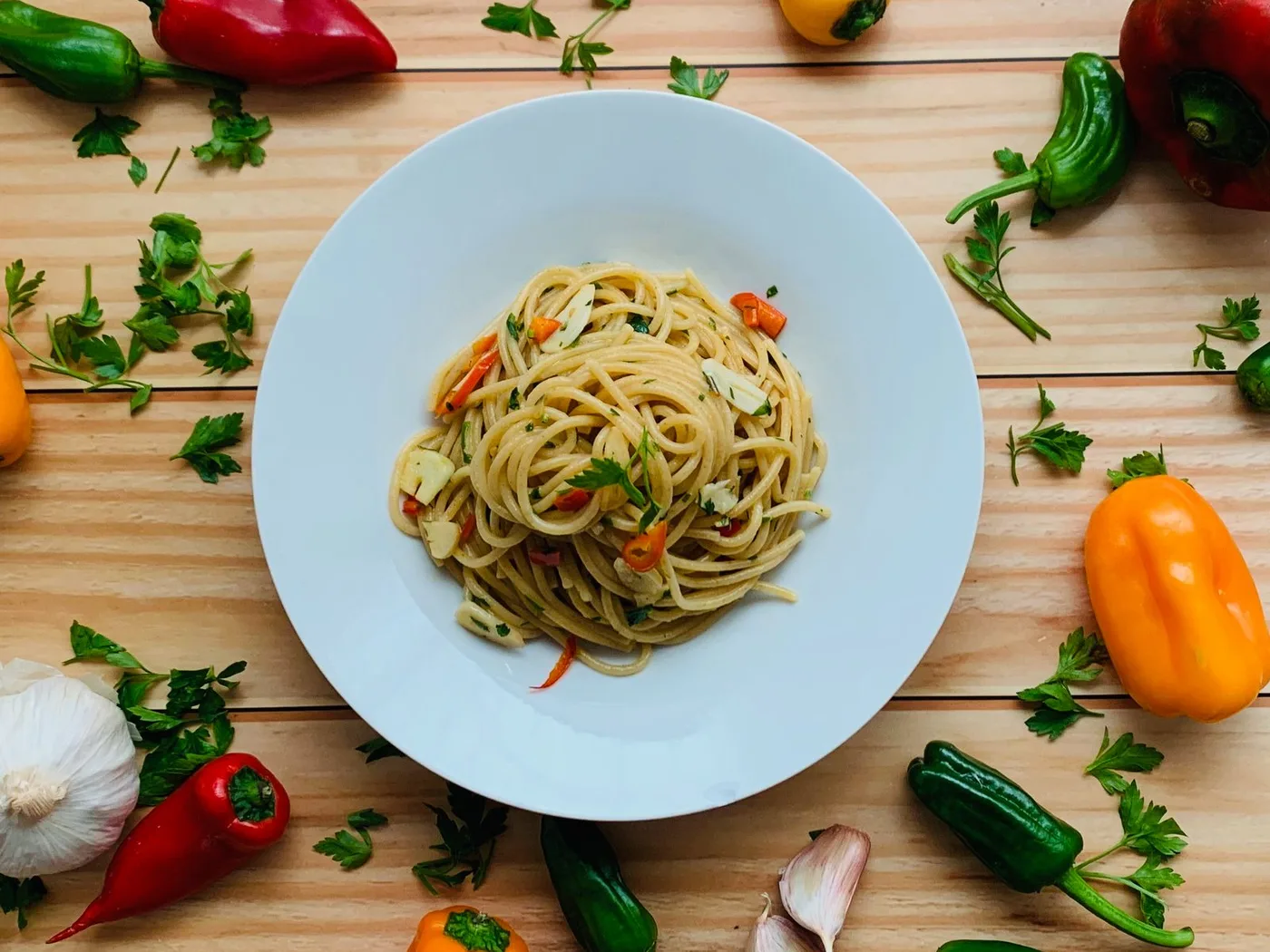
In Naples they will tell you no. Aglio olio is a dish without cheese, and Parmesan would cover up the garlic and the oil. I leave it out, and I suggest you try the pure version at least once.
If you still feel something is missing, do what they do in southern Italy when there is no money for cheese: toast two tablespoons of breadcrumbs in a dry pan until golden and scatter them over the finished plate. It is called pangrattato, poor man's Parmesan, and it adds crunch.
Gluten-free version
The recipe also works with gluten-free spaghetti, with two things to watch. Gluten-free pasta releases less starch into the water, so keep back a little more cooking water and toss for a bit longer in the pan. And cook it exactly as the packet says, not shorter, because it does not finish cooking in the pan as well.
With Grano Armando gluten-free spaghetti you follow exactly the same steps, just with those two adjustments. Garlic, oil and chilli do not need gluten.
What I pour with it
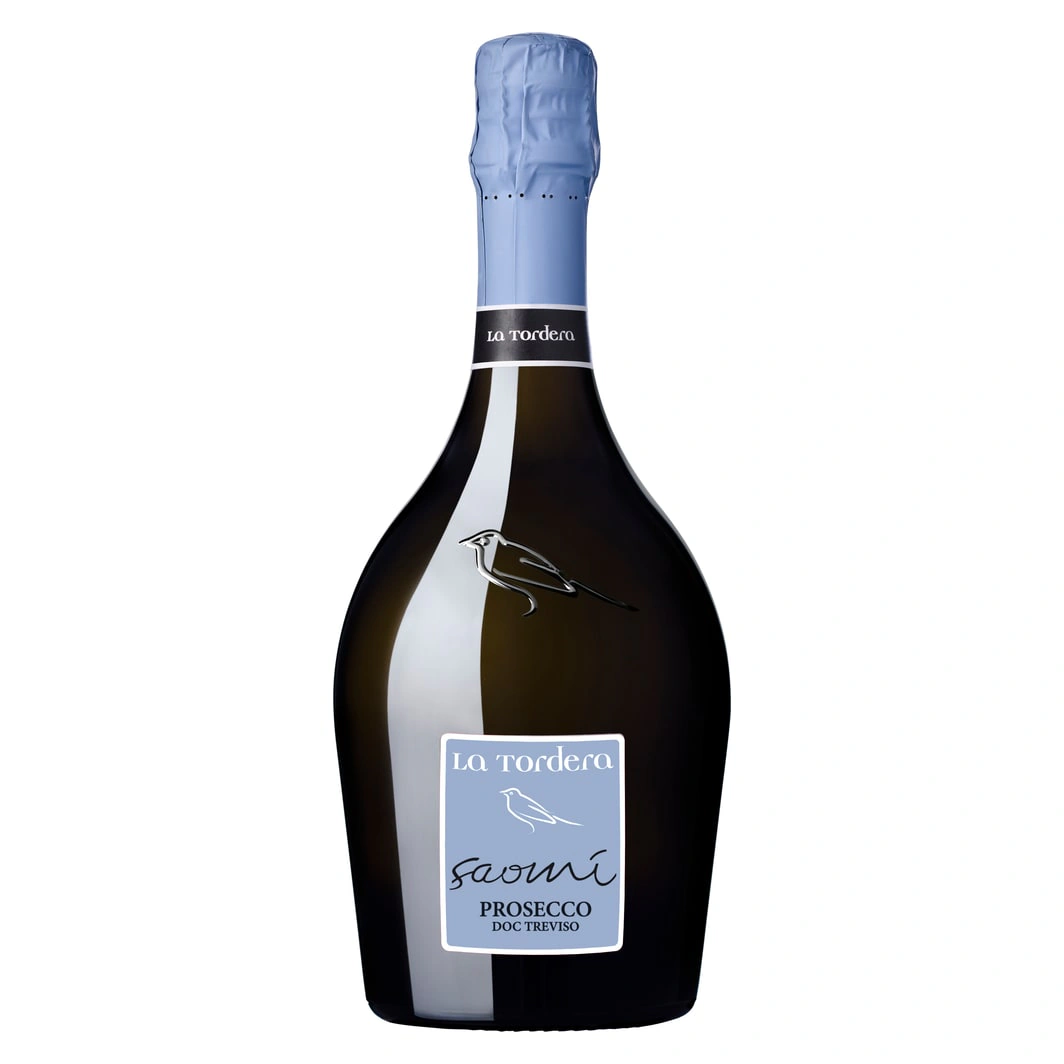
Garlic, oil and chilli need a wine that freshens them up, not a heavy red. With this plate I like a dry prosecco best. The bubbles and acidity cut through the oil and the chilli plays nicely against them. Try La Tordera Saomi Prosecco Brut, which is dry and not sweet. The difference between Brut and Extra Dry is explained in our prosecco, champagne and cava comparison.
If you want something sweet afterwards, do it the Italian way: an espresso made with Diemme coffee with two or three Marini cantuccini for dunking.
Frequently asked questions
- Why does my garlic taste bitter?
- It burned. Put it into cold oil, cook it on a low flame and take the pan off when it is pale gold. Brown garlic cannot be saved, you need to start again.
- Why is the pasta greasy and the sauce will not come together?
- The cooking water is missing, or you are not tossing long enough. Add a ladle of starchy water and toss the pasta hard in the pan for one to two minutes. The starch binds the oil and water into a creamy sauce.
- Can I use fresh chilli instead of dried?
- Yes. Slice it into thin rings and add it to the pan with the garlic. Fresh chilli is juicier and its heat varies by variety, so start with less.
- Can aglio olio be made ahead?
- Not really. The oil and water sauce holds for a few minutes only, then the pasta soaks it up and the dish dries out. It is a recipe for right now, but it is on the table in 12 minutes.