July 9, 20268 min read
Caffè Diemme from Padua: the story of a roastery making espresso since 1927
A small family roastery in Padua that never took the supermarket volume route. Why Diemme tastes different, and how to get a proper Italian espresso out of it at home.
Most of the coffee you buy in a supermarket comes from enormous roasteries where the beans are roasted by the tonne per hour, and fast, to keep up with the volume. The result is a dark, bitter coffee that tastes the same everywhere.
Caffè Diemme goes the other way. A small family roastery in Padua has been roasting slowly, in smaller batches, since 1927. Three generations of one family, one city in northern Italy, and a stubborn refusal to chase volume at the expense of flavour.
This article is about why Diemme tastes different, how to choose between whole bean and ground, and how to get an espresso at home that is worth getting up for.
Padua 1927: the story of one roastery
Diemme was founded by Romeo Dubbini in Padua, a city in the north-east of Italy near Venice. The name Diemme comes from the family initials. In almost a hundred years a small shop grew into a respected roastery, and the family still runs it today.
The key phrase is slow roasting. Where industrial roasteries roast the beans for a few minutes at high temperature, Diemme goes lower and longer. The bean roasts evenly, does not scorch on the surface, and develops sweeter, fuller notes.
The second detail is bean selection and blending. Diemme builds its blends (miscele) from arabica and robusta in different proportions for different tastes, from the delicate ones to the boldest espresso blends.
Whole bean or ground: which to choose
Whole bean coffee is always fresher. Grinding hugely increases the surface area and the aroma starts escaping within minutes. If you have a grinder at home, buy whole bean and grind just before brewing. You can hear the difference in the first sip.
Ground coffee makes sense if you have no grinder or you want speed in the morning. Diemme offers ground coffee in several grinds, and the important thing is to pick the right one for your brewing method.
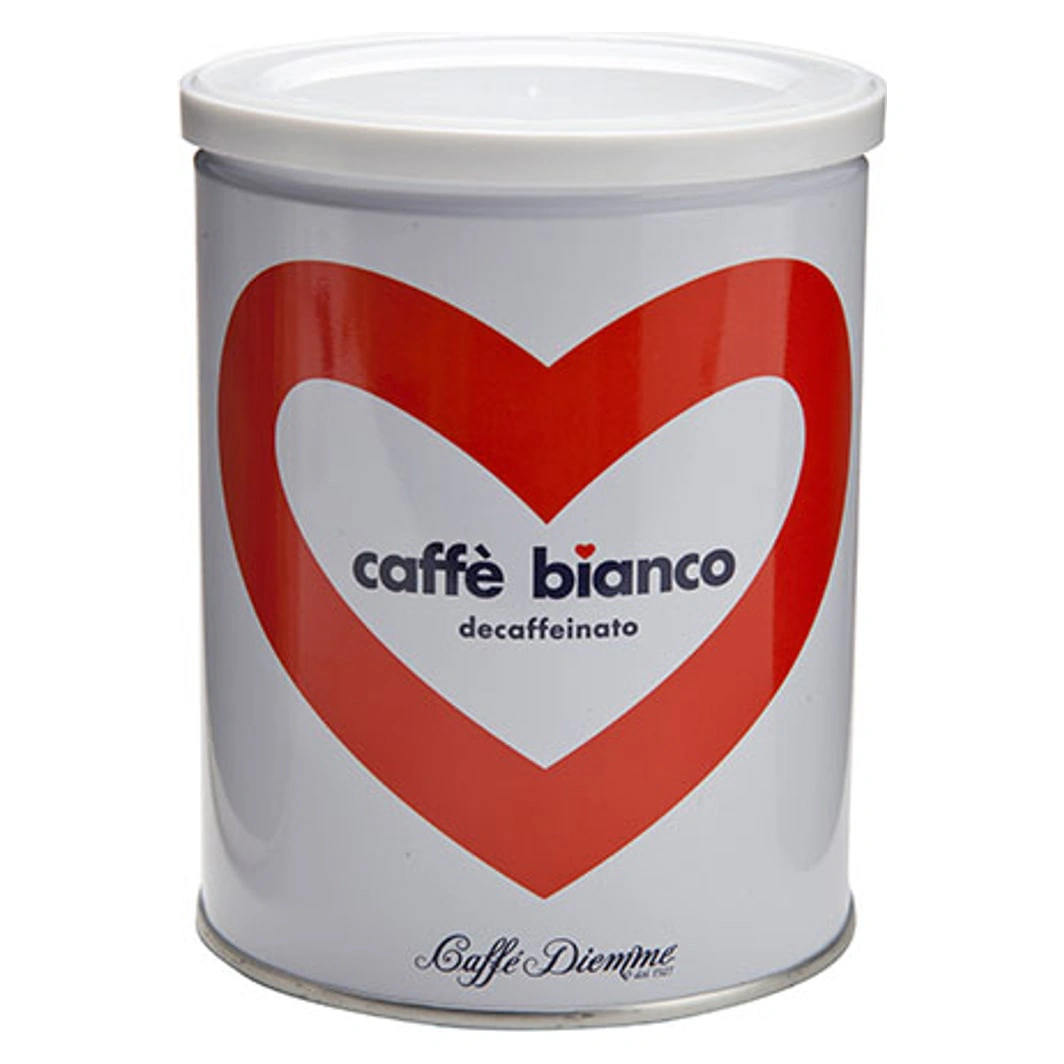
There is decaf too, the caffeine free version for the evening or for people who cannot take caffeine. With a good roastery, decaf does not automatically mean losing the flavour.
Espresso in a moka pot: the most Italian way at home
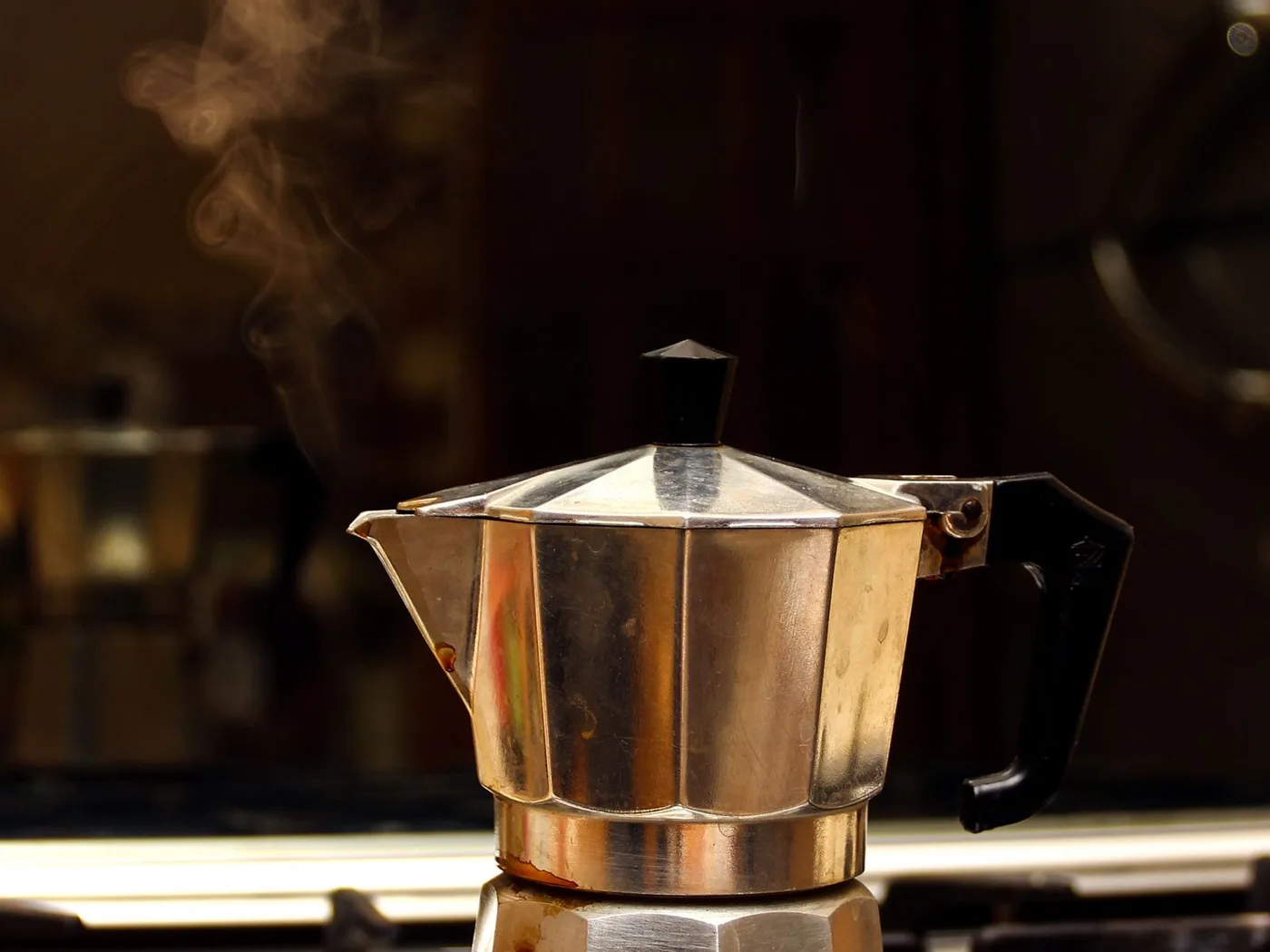
The moka pot is in every kitchen in Italy. It is not true machine espresso, but it gives a strong, concentrated coffee that comes close, and it is almost impossible to get wrong if you follow a few rules.
Fill the bottom chamber with water up to the valve, no higher. Spoon the ground coffee loosely into the basket, level it off but do not press it down, because the moka does not like tamped coffee. Put it on medium heat and turn it down as soon as the coffee starts bubbling up.
The most common mistake is a high flame and burnt coffee. The second is leaving the pot on the hot plate after it has finished, which turns the coffee bitter. As soon as it has come up, take the pot off.
Espresso in a machine
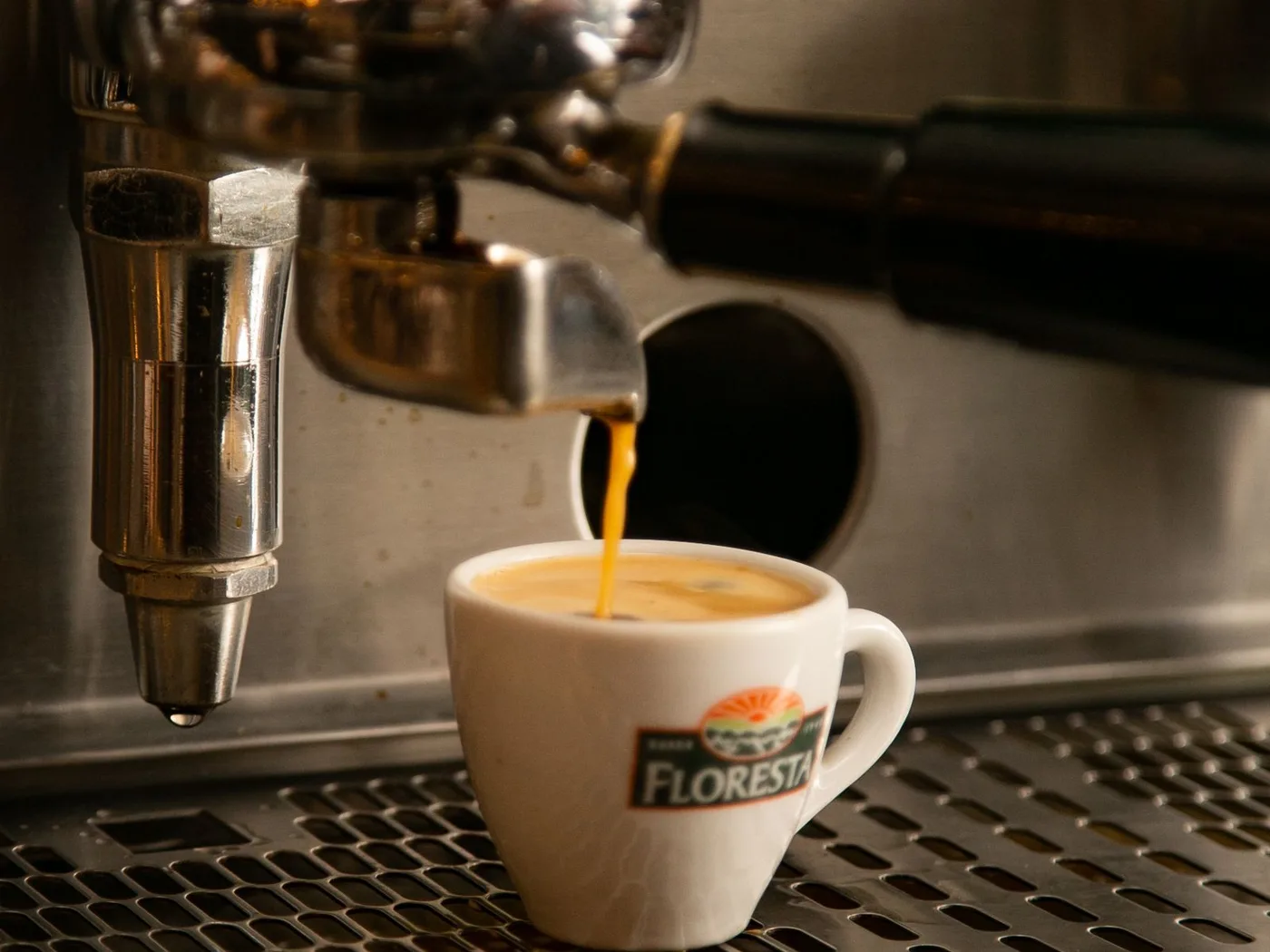
If you have an espresso machine at home, you are as close to the bar as you will get. Here the details matter: the dose, the grind, the tamp and the extraction time.
- Dose: 7 to 9 g for a single espresso, 16 to 18 g for a double.
- Grind: fine but not powdery - the coffee should flow, not drip.
- Tamp: even pressure, a smooth surface.
- Extraction: 25 to 30 seconds for 25 to 30 ml. Shorter tends to be sour, longer bitter.
- Cup: preheated, otherwise the espresso goes cold in seconds.
How to store coffee so it stays fresh
Coffee has three enemies: air, light and moisture. Tip an opened pack into an airtight opaque container and keep it in a cupboard, not on the worktop by the window.
The fridge is not a good idea, because coffee absorbs smells and moisture every time you open it. The freezer only works for long term storage of an unopened pack.
And above all: do not stock up for six months. Even the best coffee from Padua loses its finest notes a few weeks after opening. Buy smaller packs more often.
Where to buy Caffè Diemme
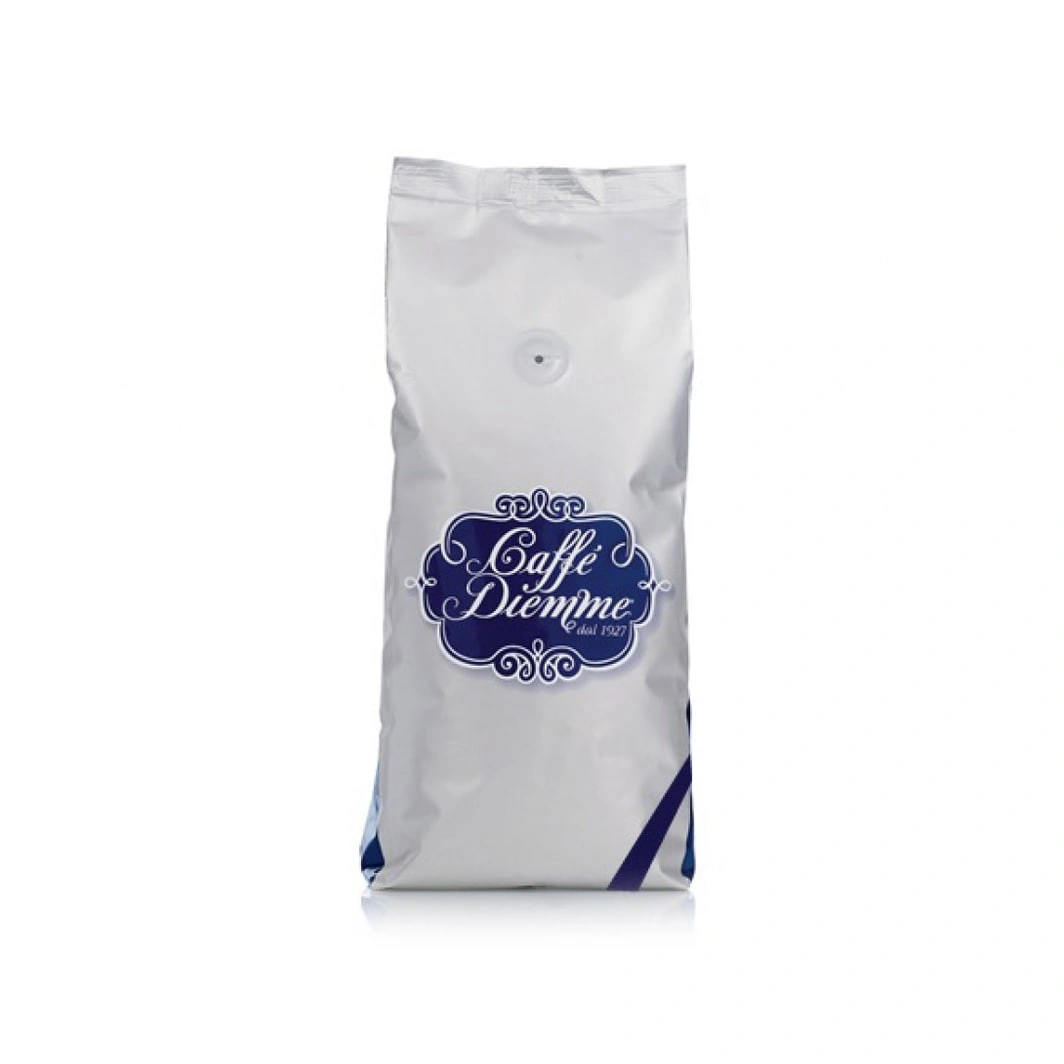
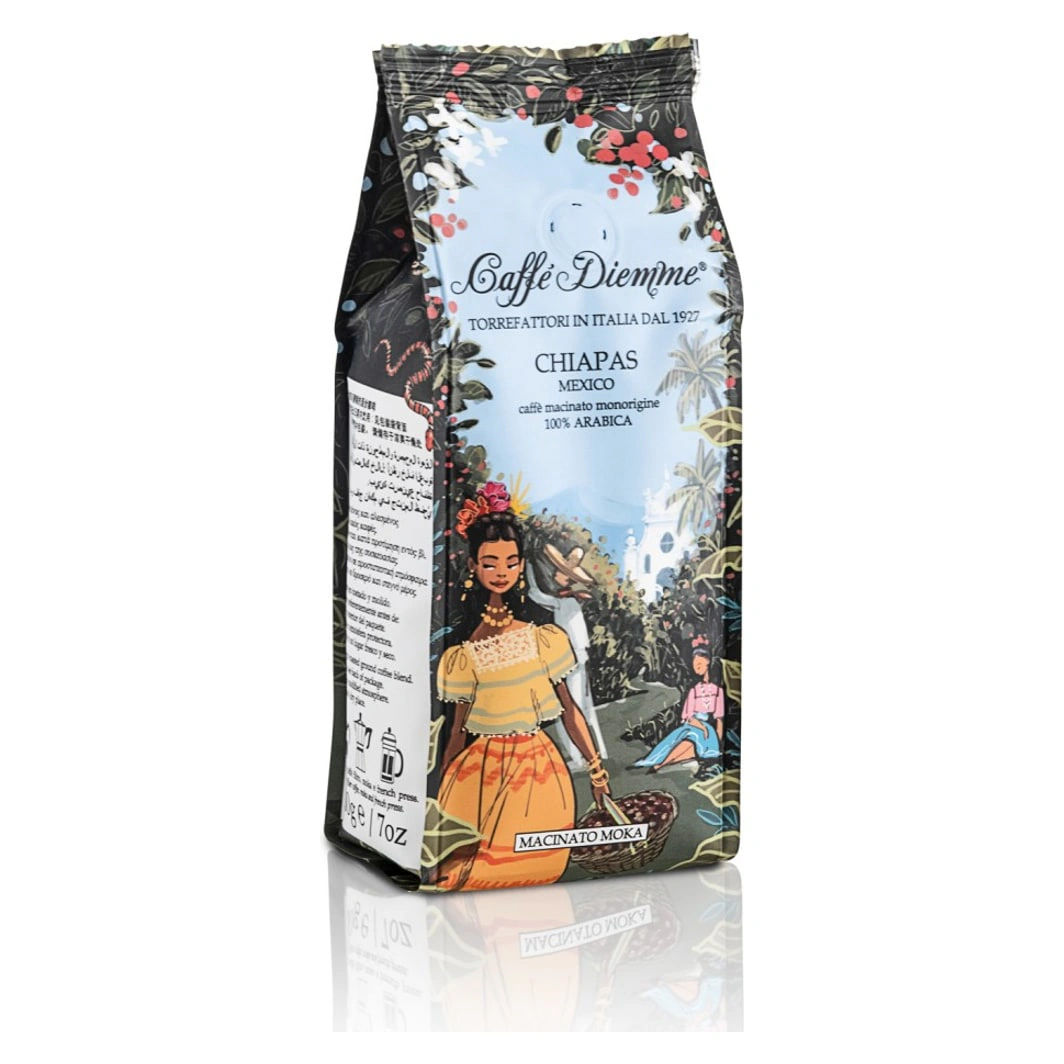
In the Italiamo catalogue you will find Caffè Diemme in the Coffee section: whole bean Blu Arabica 200 g and Oro Blend 100 % Arabica 500 g, ground Chiapas 200 g for the moka pot, and decaf 250 g. It is direct import from Padua, so the coffee reaches you without pointless middlemen and with a clear origin.
If you are starting out, take a whole bean espresso blend and an ordinary moka pot. It is the cheapest way into proper Italian espresso at home, and you will notice the difference from supermarket coffee the very next morning.
Once a blend wins you over, try another one. Diemme has several and each has its own character. That is how you find yours.
Frequently asked questions
- What is the difference between arabica and robusta in a blend?
- Arabica is more delicate, more aromatic and more acidic; robusta is stronger, more bitter, and gives a thicker crema and more caffeine. Italian espresso blends often combine the two, arabica for the flavour and robusta for the body and crema. The proportion decides the character of the coffee.
- What grind do I need for a moka pot?
- A moka pot wants a medium fine grind, finer than for filter but coarser than for machine espresso. Too fine and it clogs the basket and raises the pressure, too coarse and you get weak, watery coffee. If you buy Diemme ready ground, choose the version marked for the moka.
- Does decaf taste worse?
- With cheap coffees, often yes, because the decaffeination process takes some of the aroma with it. With a good roastery like Diemme the difference is far smaller - a good decaf gives you the full espresso flavour in the evening too, without the caffeine.