June 4, 20268 min read
Olive oil from Apulia: why it is the best and how to spot the real thing
Apulia produces 40 % of Italian olive oil. Here is why the oil from this region is unique, and how to tell a real extra virgin from an industrial blend.
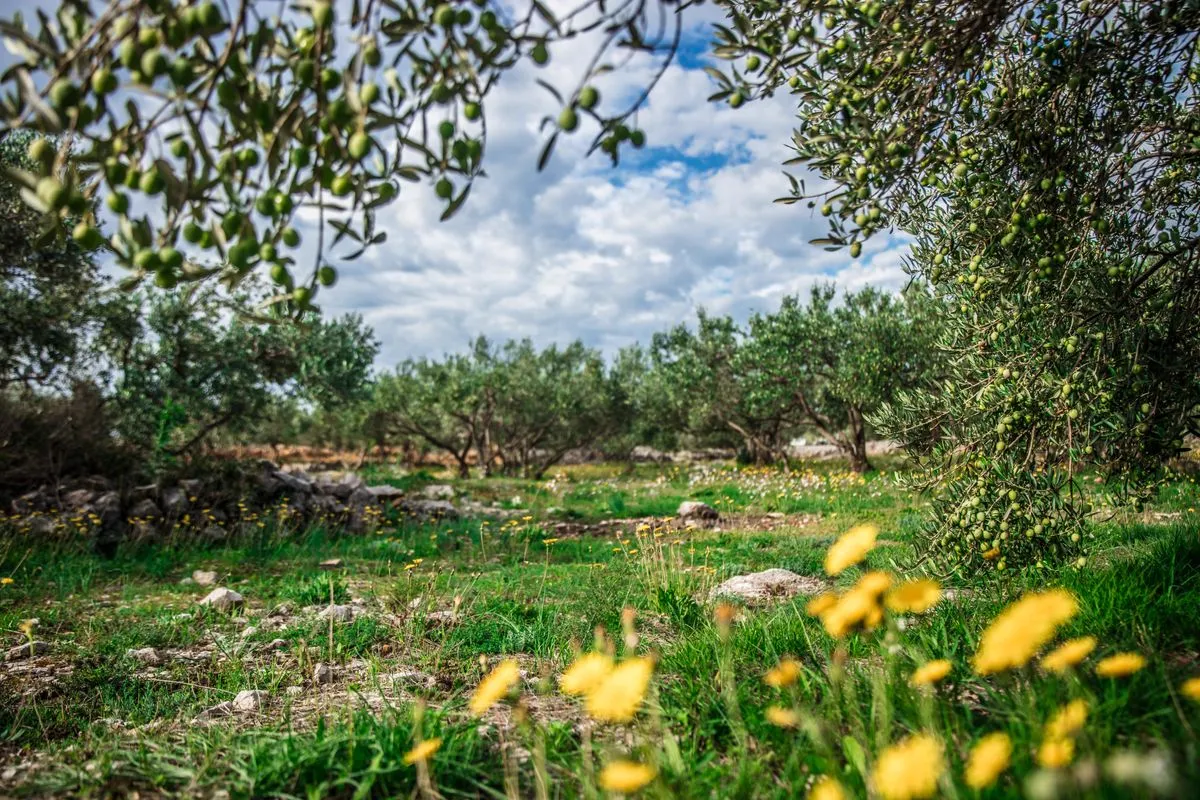
Apulia, Puglia in Italian, is the heel of the Italian boot. Flat, stony, a long coastline, 60 million olive trees. Some of them are over 1,500 years old and still bearing fruit.
This one region produces almost 40 % of all Italian olive oil. That is more than Sicily, Calabria and Campania put together.
Apulian oil has a character you cannot imitate: strong, peppery, slightly bitter, with notes of freshly cut grass and artichoke. This is why serious Italian restaurants all over the world come here to buy.
The main Apulian olive varieties
Coratina. The best known and the strongest, high in polyphenols. A characteristic bitter, peppery flavour with a long spicy finish. Better restaurants like to use this one as a final drizzle over grilled meat, soups and beans.
Ogliarola Barese. The most productive, fruitier and milder. Medium intensity, almond notes, good for salads, fresh tomatoes and bruschetta. The best all-round oil for everyday use.
Peranzana. From the Daunia area in northern Apulia. Fresh, appley, gently sweet. Excellent with fish, with mozzarella, with anything where you do not want the oil to dominate.
Cellina di Nardò. Northern Salento. High yield, delicate finish, often part of the blend in DOP oils.
Producers often mix these varieties into blends to balance the power of Coratina against the freshness of Ogliarola. The best DOP and IGP oils are exactly this kind of balanced blend.
What Extra Vergine means
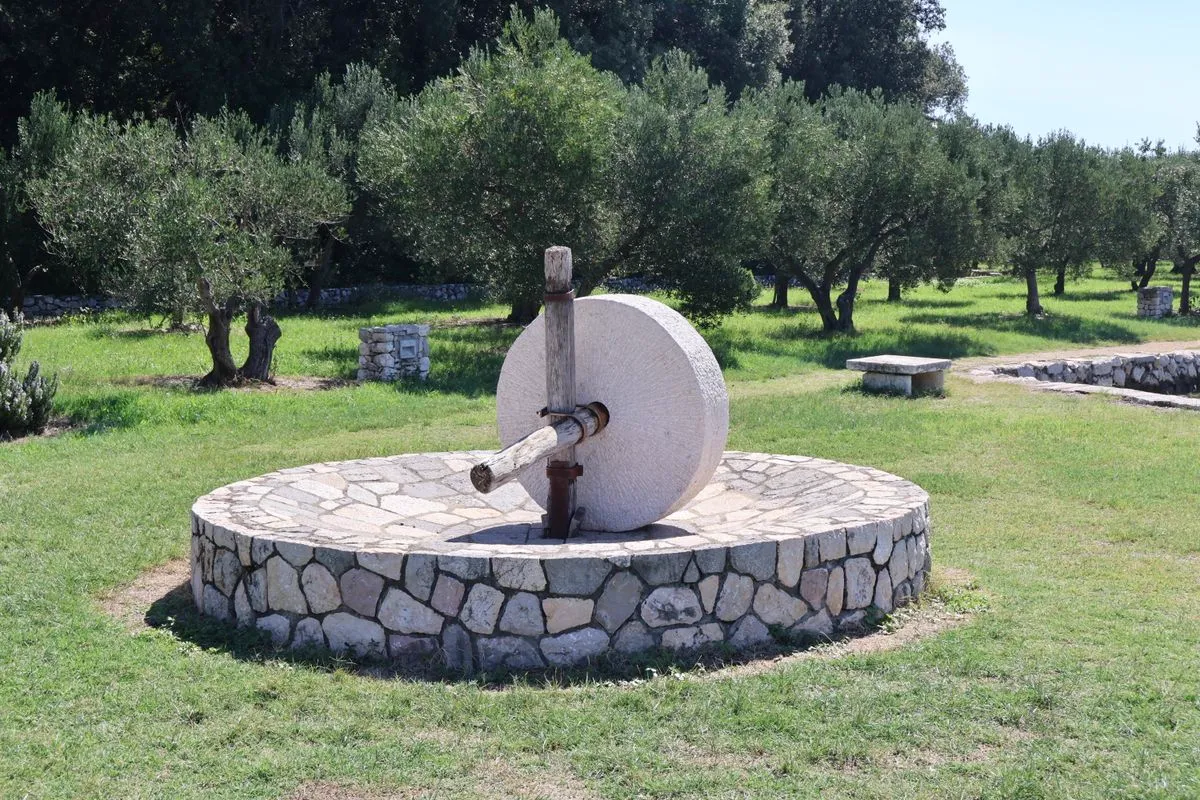
Extra Vergine, or extra virgin, is the top quality class of olive oil. It has to be produced by purely mechanical pressing without chemicals, acidity below 0.8 %, and no organoleptic faults in the laboratory tasting panel.
The second class is Vergine, virgin. Same production process, acidity up to 2 %, and it may carry small flavour faults. You rarely see it in supermarkets, it tends to be sold for cooking.
The third category is Olio di Oliva. This is a blend of refined oil, chemically cleaned up from faulty pressings, with a small share of virgin oil. Cheap, neutral, fit for frying and little else. No flavour.
Watch out for Pomace Oil or Olio di Sansa. This is oil extracted from the olive pomace left after the main pressing, using chemical solvents. The lowest class, avoid it where you can.
DOP, IGP and where the difference lies
DOP (Denominazione di Origine Protetta) is the highest geographical protection. The olives have to be grown, harvested and pressed within one defined zone. Apulia has four DOP oils: Terra di Bari, Dauno, Collina di Brindisi and Terre Tarentine.
IGP (Indicazione Geografica Protetta) is looser. The olives can come from several zones within the region, but at least one production stage has to happen inside the protected zone. Olio Extravergine di Oliva IGP Puglia covers the whole region.
For a buyer, in practice: a DOP oil costs more (15 to 30 EUR per 750 ml), but you get a guarantee of narrow origin and usually traceability back to the mill. An IGP oil is more affordable (8 to 18 EUR), similar in quality but with a wider origin.
An oil without a DOP or IGP mark can still be excellent, but you have no guarantee of origin. Here you have to look at the producer: the name of the mill, the harvest year, contact details.
How to read the label, step by step
Look for the harvest year (raccolta). Olive oil is not wine, it does not age. It is at its best within 18 months of pressing. If the label carries only a best before date and no harvest year, it often means the producer would rather not tell you how old the oil is.
Look for the varieties (cultivar). Specific names - Coratina, Ogliarola, Peranzana - are a sign of quality. If all it says is monovarietale or blend, ask for more information.
Look for the producer and the address. Genuine Apulian oils carry the name of the mill, an address in Apulia, often a contact. Anonymous brands with no named mill are suspicious.
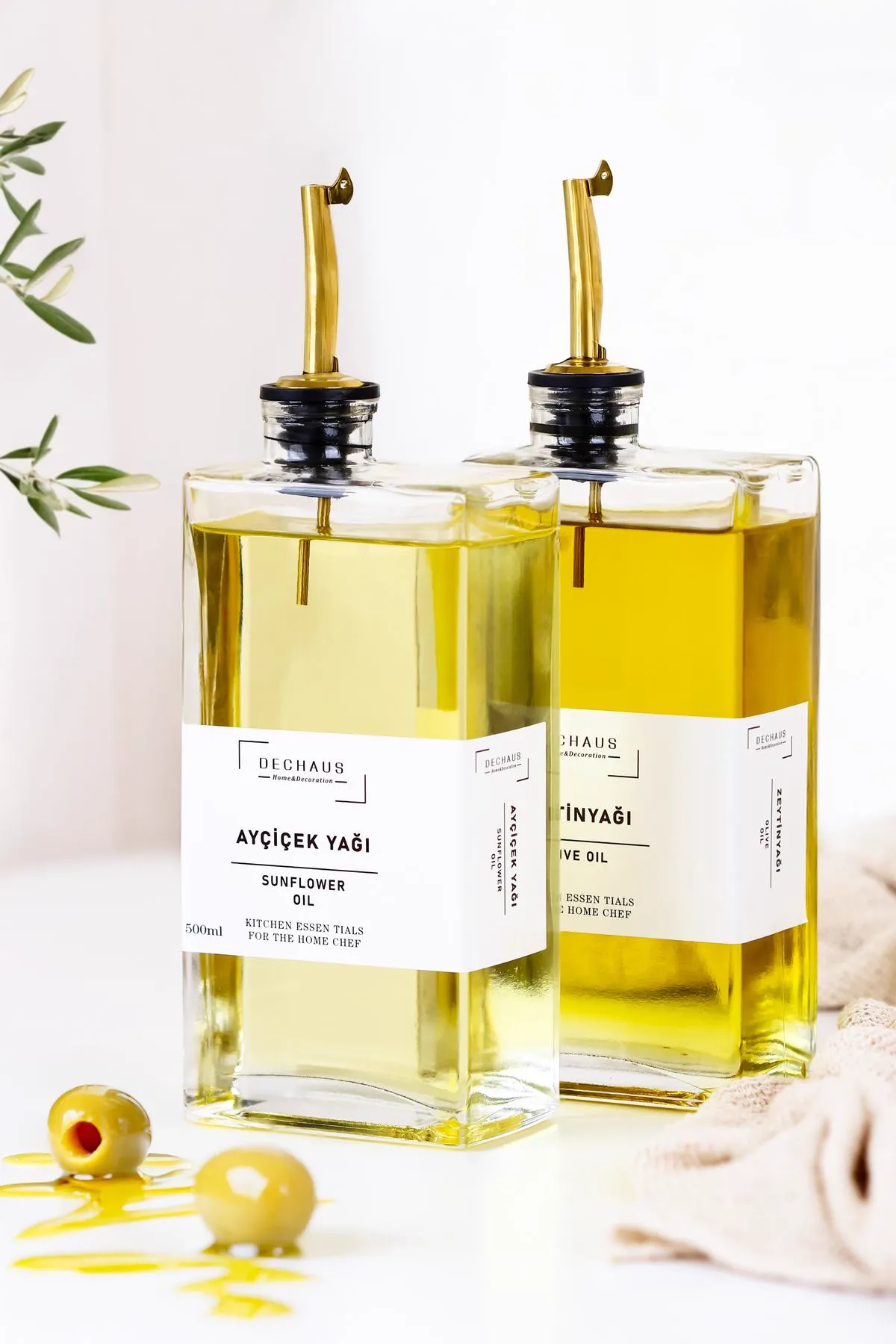
Look at the colour and the packaging. Real extra virgin comes in a dark bottle or a tin that protects it from light. A clear bottle is a red flag - the producer is saving on packaging and the oil oxidises faster.
A supermarket own-brand extra vergine in a 1 litre bottle at 5 EUR is almost certainly a blend from several countries (Spain, Tunisia, Greece, Italy). The label is legally required to say so in small print. Check the back.
How to store and use the oil
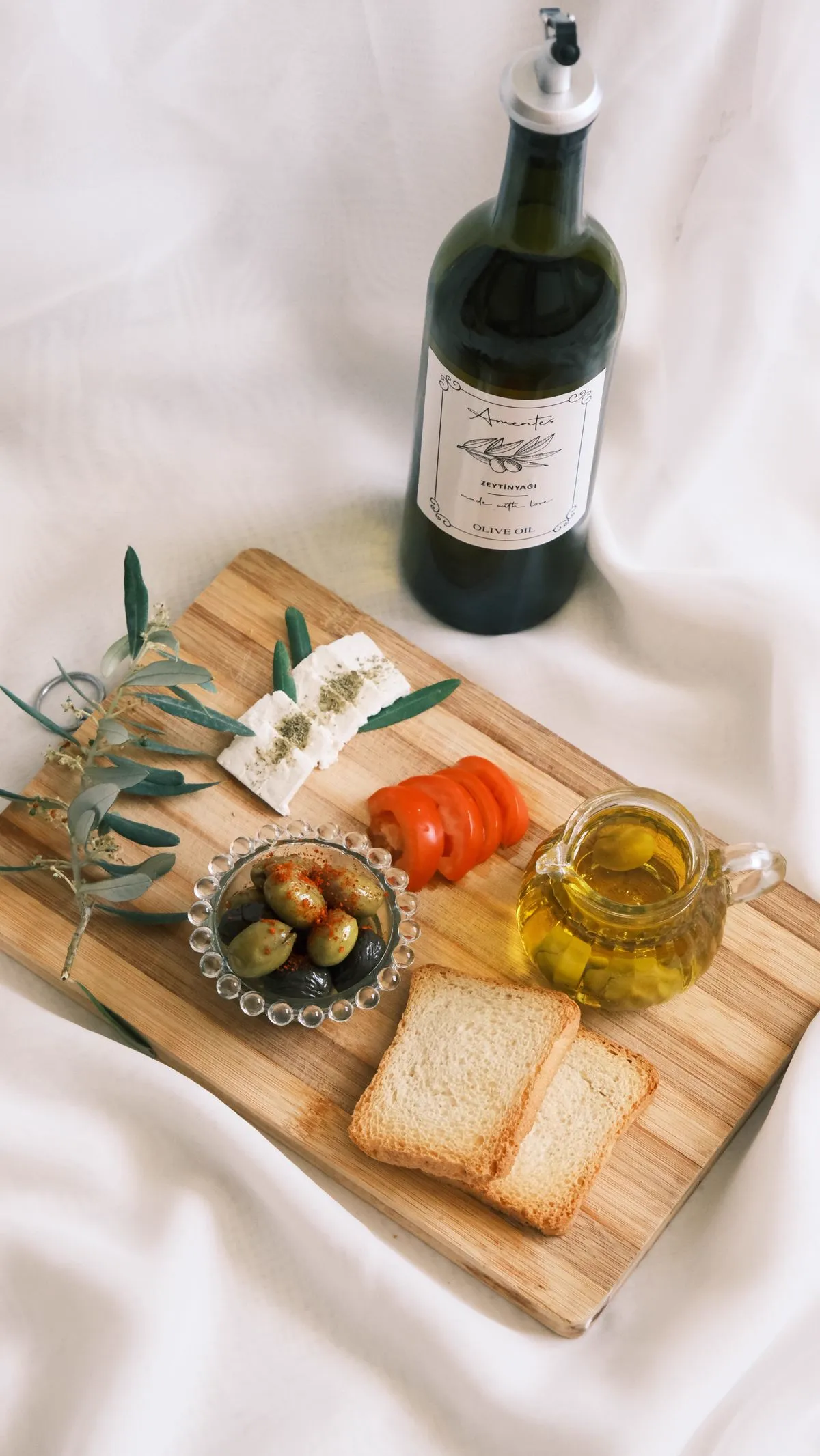
Storage: a cool, dry, dark place. Ideally 14 to 18 °C. Not in the fridge, where it solidifies, and not next to the cooker, where heat and light destroy it.
Once opened it holds its full flavour for 3 to 6 months. After 12 months it is still fine, but the character fades.
On salads, fresh vegetable sides, bruschetta, raw fish and soups, add the oil raw just before serving. This is where good oil earns its money.
For deep frying use a neutral oil, sunflower or rapeseed, not virgin olive oil. Frying destroys the very thing you paid extra vergine money for.
For shorter sautéing at moderate temperatures, up to 180 °C, an ordinary extra vergine is perfectly fine. A young IGP does the job here, no need for the premium bottle.
Frequently asked questions
Why does good oil sting the throat? That is the polyphenol content. A more peppery character means more antioxidants, which is good for you and typical of a quality oil.
Can I taste the oil on its own? Yes, it is a standard professional technique. A teaspoon of oil, roll it around your mouth for 10 seconds, draw air in through your teeth, swallow. You get a fruity start, a bitter middle and a peppery finish. That is oil.
Is first pressing (prima spremitura) a guarantee of quality? The phrase has no legal meaning today. Modern mills work in a single stage. Look instead for extra vergine plus a named mill.
Filtered or unfiltered? Filtered keeps longer and looks cleaner. Unfiltered has a richer character but spoils faster. For everyday use go filtered, for special tastings unfiltered within 6 months of harvest.
What should a good Apulian kitchen oil cost? 12 to 22 EUR for 750 ml. Under 8 EUR you are in blended products, over 30 EUR you are in the specialty segment.
To finish
Apulian olive oil is one of the few products where you taste the difference between average and good immediately. Five drops of real Coratina extra vergine on a fresh tomato salad do more than any dressing.
Spending 15 EUR on a good bottle of DOP or IGP oil, used properly, raw and as a finish, will last you 2 to 3 months. That is less than two coffees in town a day.
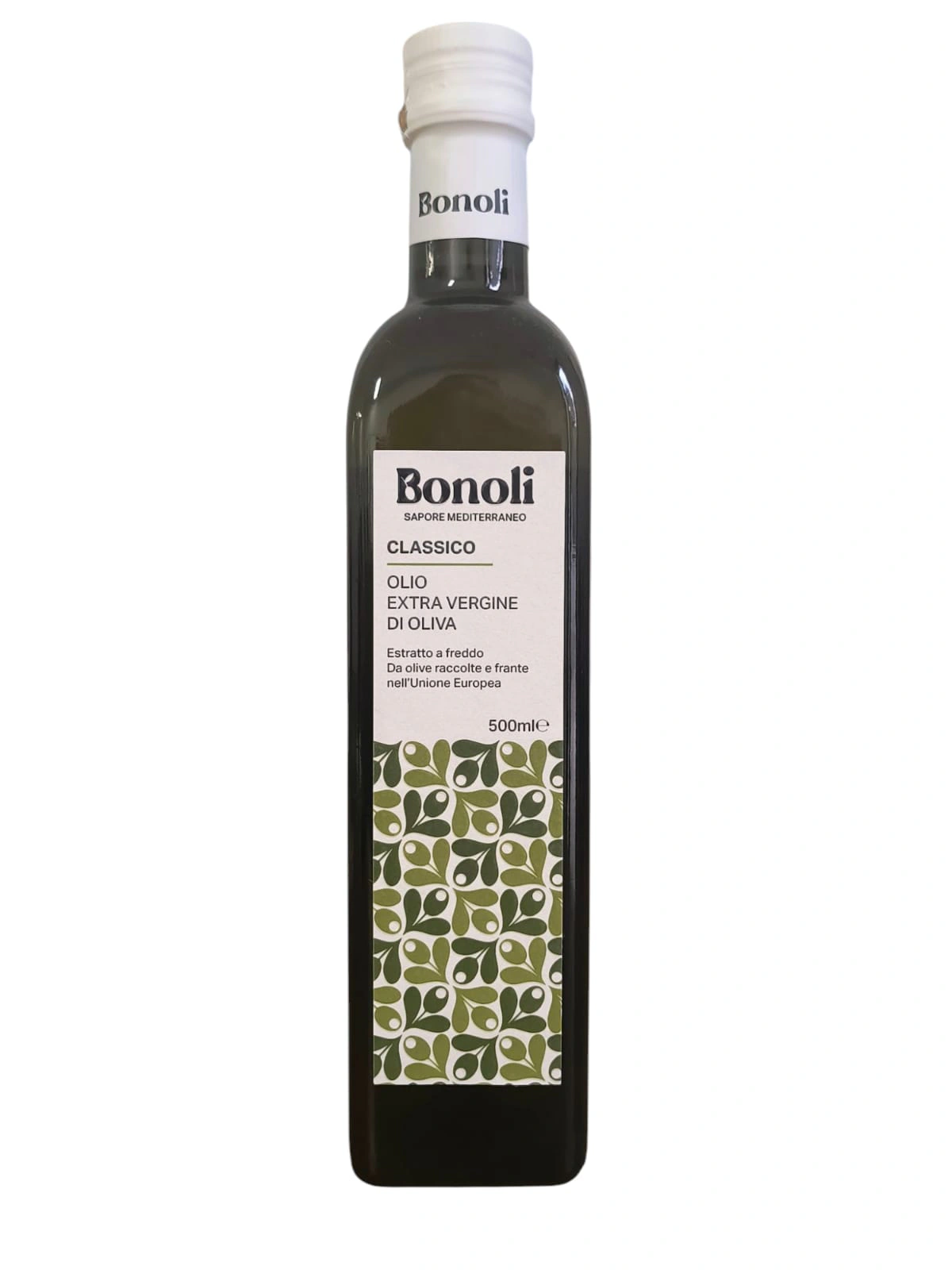
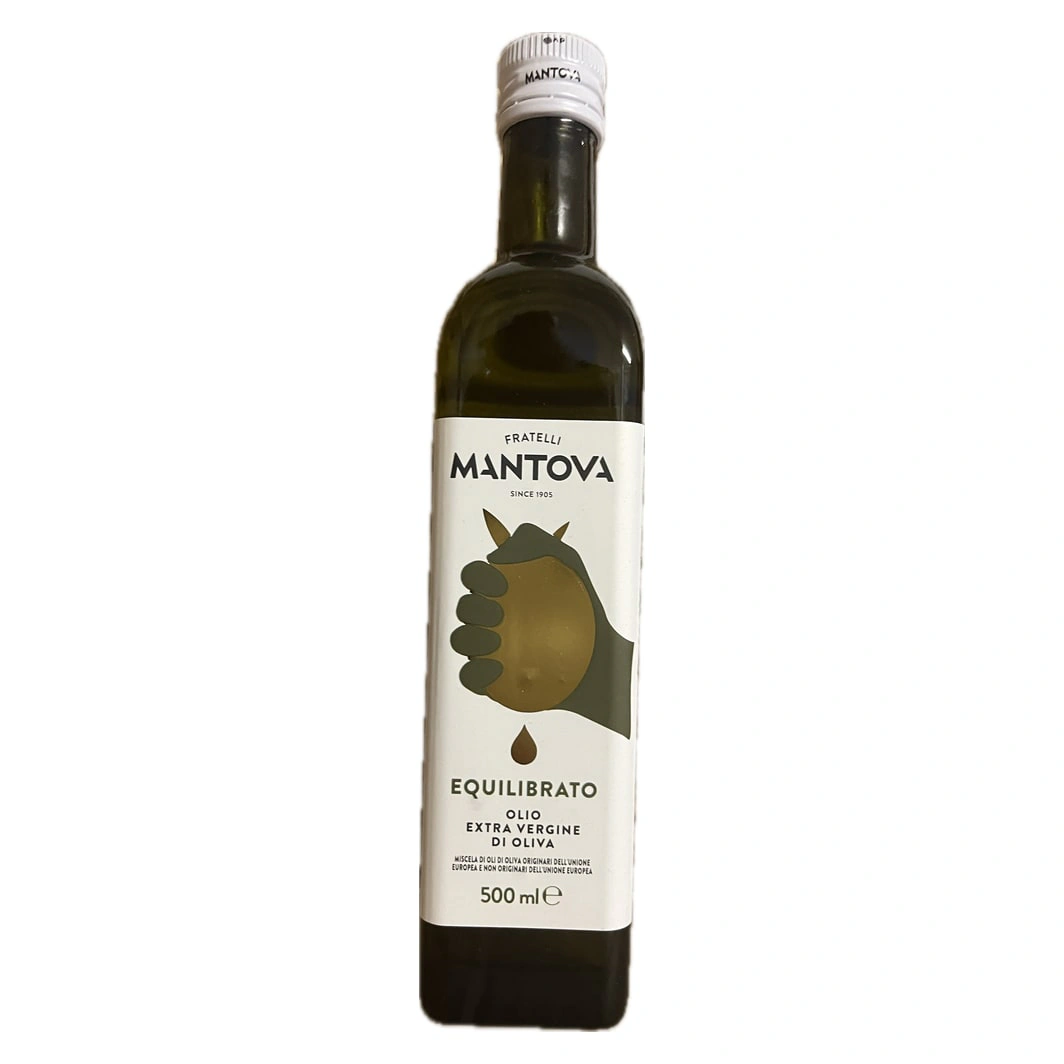
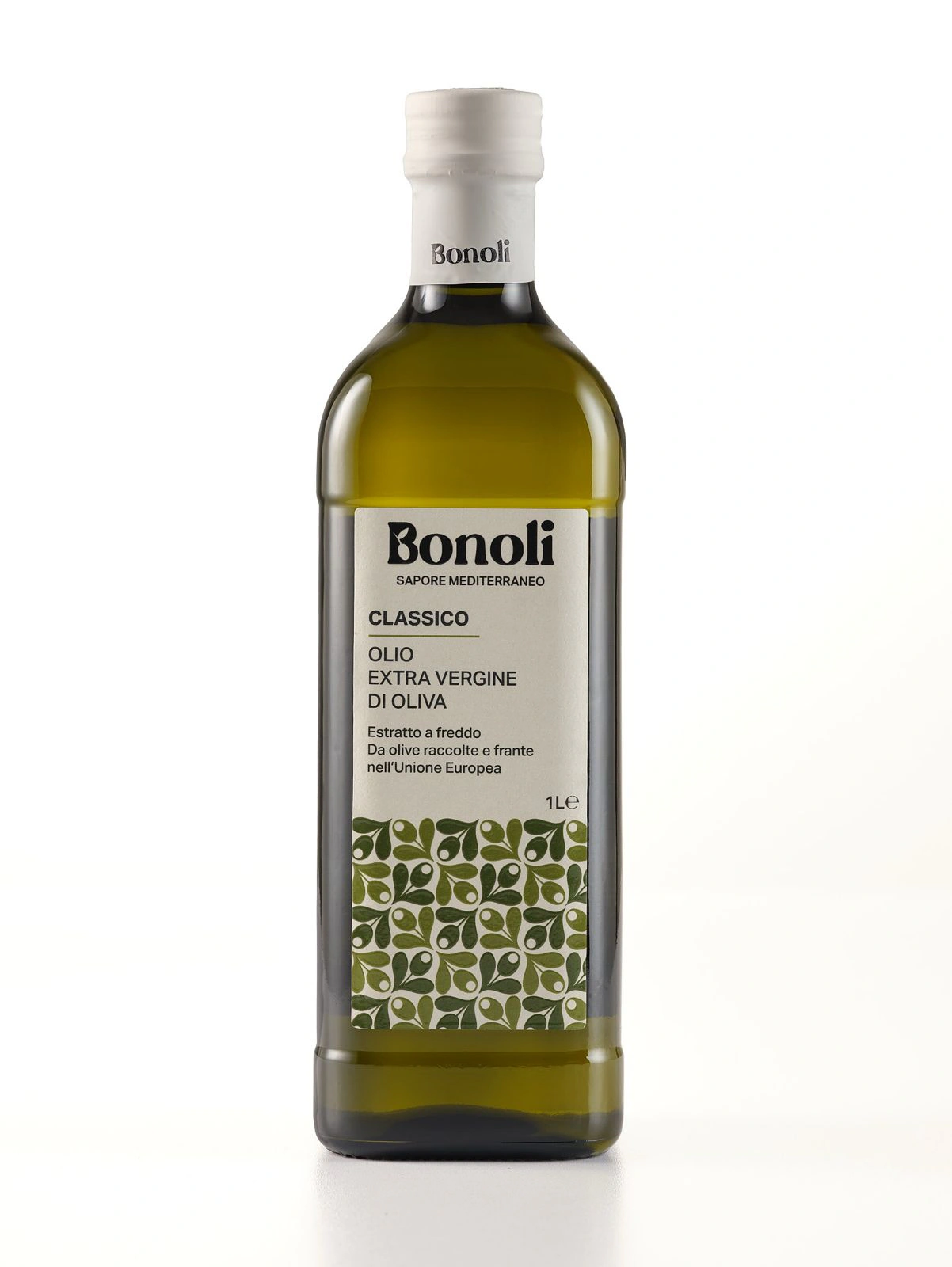
Italiamo works with specific Apulian mills - Rosso Gargano and other brands straight from the region, with traceability back to the tree. For everyday cooking take Bonoli extra virgin 1 l, and for finishing Bonoli 500 ml in glass or Fratelli Mantova Equilibrato 500 ml.