May 14, 20269 min read
Prosecco vs Champagne vs Cava: which sparkling wine to pick, and when
Three sparkling wines, three countries, three ways of making them. When to reach for Prosecco, when for Champagne, and when Cava is plenty - without the sommelier jargon.
You open the fridge on a Friday evening and see three bottles. Prosecco at 7 EUR, Cava at 10 EUR, Champagne at 45 EUR. The bubbles look identical. So why is the price five times higher?
Short answer: the production method, the region and marketing. In that order.
The long answer is more interesting. By the end of this you will know what to open for pizza night with friends and what to keep back for your sister's wedding.
Three wines, three worlds
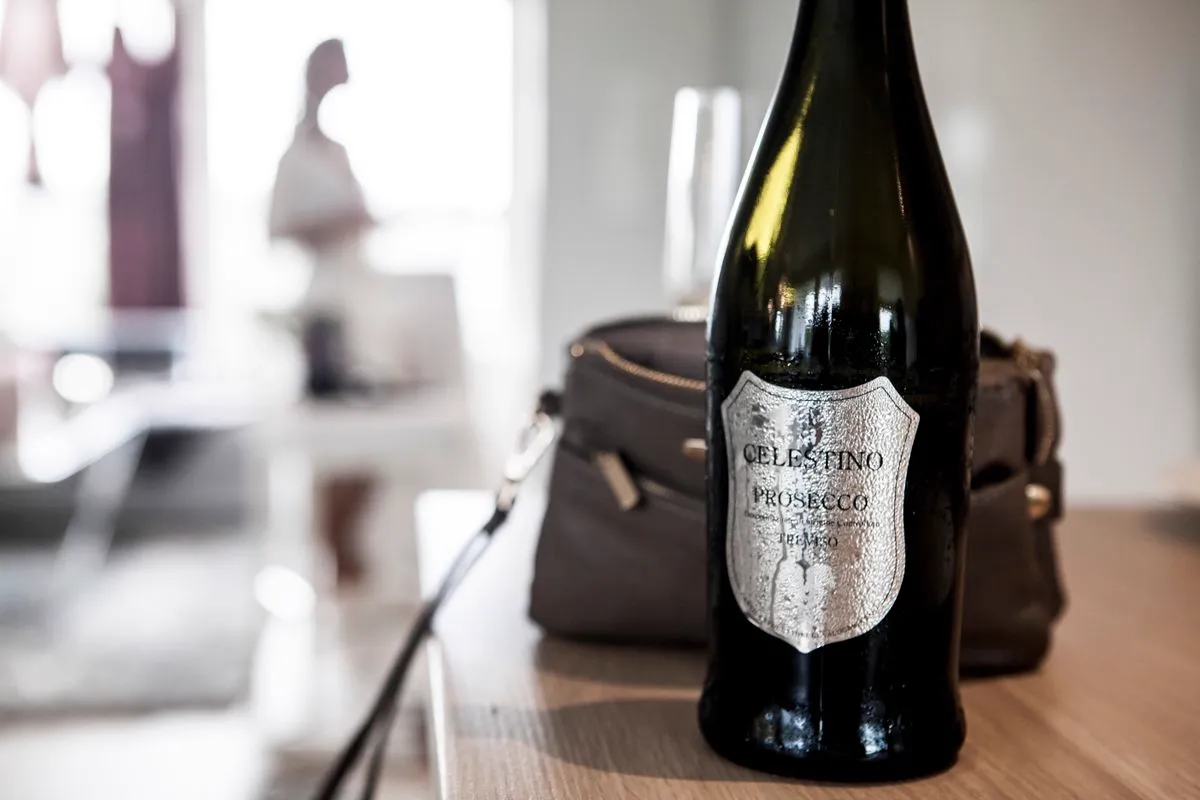
Prosecco comes from Italy, mainly from Veneto and Friuli. It is made from the Glera grape, the second fermentation happens in huge stainless steel tanks (the Charmat method), and a typical bottle costs between 6 and 15 EUR. Flavour profile: fruity, floral, light.
Champagne comes only from the French region of Champagne. It is made from three grapes - Chardonnay, Pinot Noir, Pinot Meunier. The second fermentation happens in the bottle itself (Méthode Champenoise), price 30 to 80 EUR. Flavour profile: brioche, apple, dry minerality.
Cava comes from Spain, mostly from the Penedès region in Catalonia. It is made from Macabeo, Xarel·lo and Parellada. Second fermentation in the bottle (Método Tradicional), the same as Champagne. Price 8 to 20 EUR. Flavour profile: somewhere between Prosecco and Champagne - citrus and bread crust.
That is the skeleton. Now the meat.
Why Champagne costs what it costs
Champagne ferments a second time inside the very bottle you buy. The yeast pushes gas into the wine, and after months, often years, resting on the lees it gives the wine flavours of baking, toast and dried nuts. That is called autolysis, and it is the reason Champagne tastes nothing like soda water with wine in it.
The Champagne region is geographically tiny. Around 34,000 hectares in France, north-east of Paris. Chalky soil, cold climate, three permitted grapes. Plus a hundred pages of regulations. Plus one or two years of minimum ageing for non-vintage, five for vintage. All of that costs money, and that money is in the bottle.
You open Champagne when you want to say this one is different. A wedding, a promotion, a birthday past your fiftieth. The dryness makes it work with almost anything, but it is at its best with salty things - oysters, aged cheese, sushi, anything fried.
Why Prosecco is flying
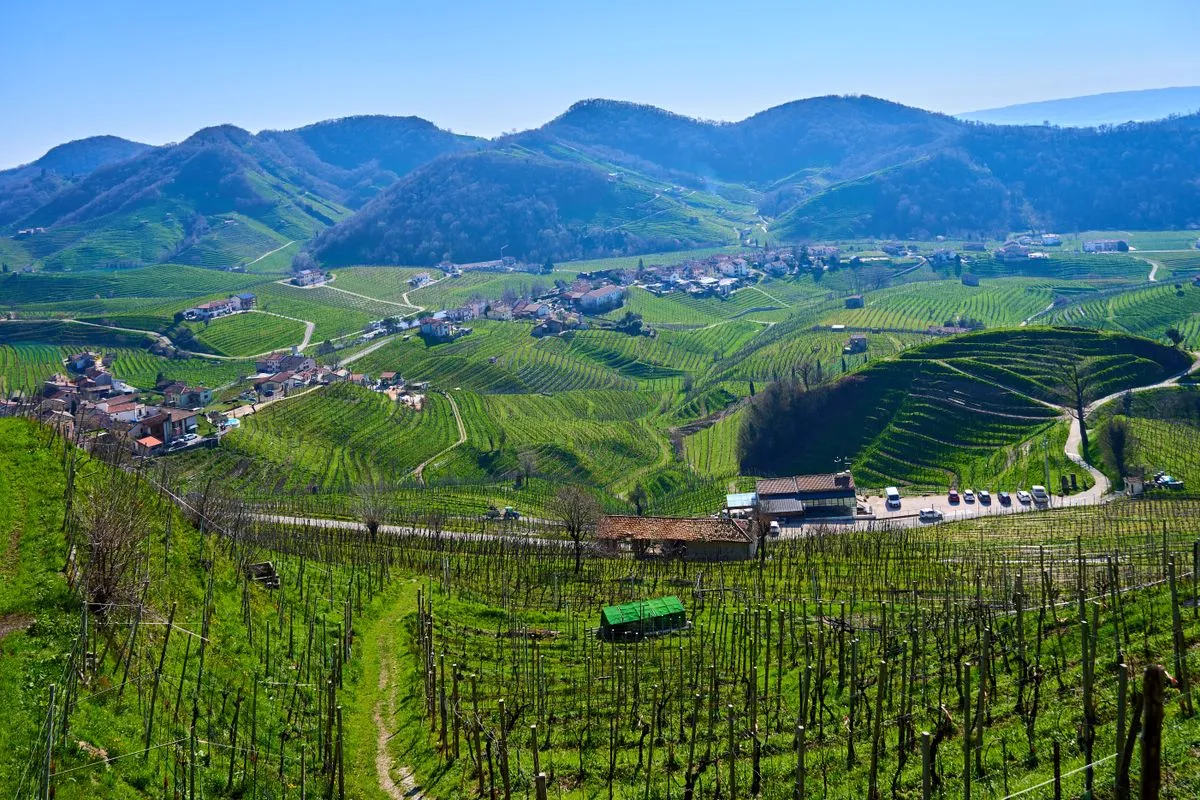
Prosecco ferments a second time in large stainless steel tanks, not in individual bottles. This is the Charmat method, invented in Italy in the 19th century, and it has one huge advantage: it is fast and cheap. No years of ageing. No turning bottles by hand.
The result? A wine that protects the primary fruit and floral character of Glera, the main grape. Not brioche, not toast. Pear, apple, white flowers, sometimes honey.
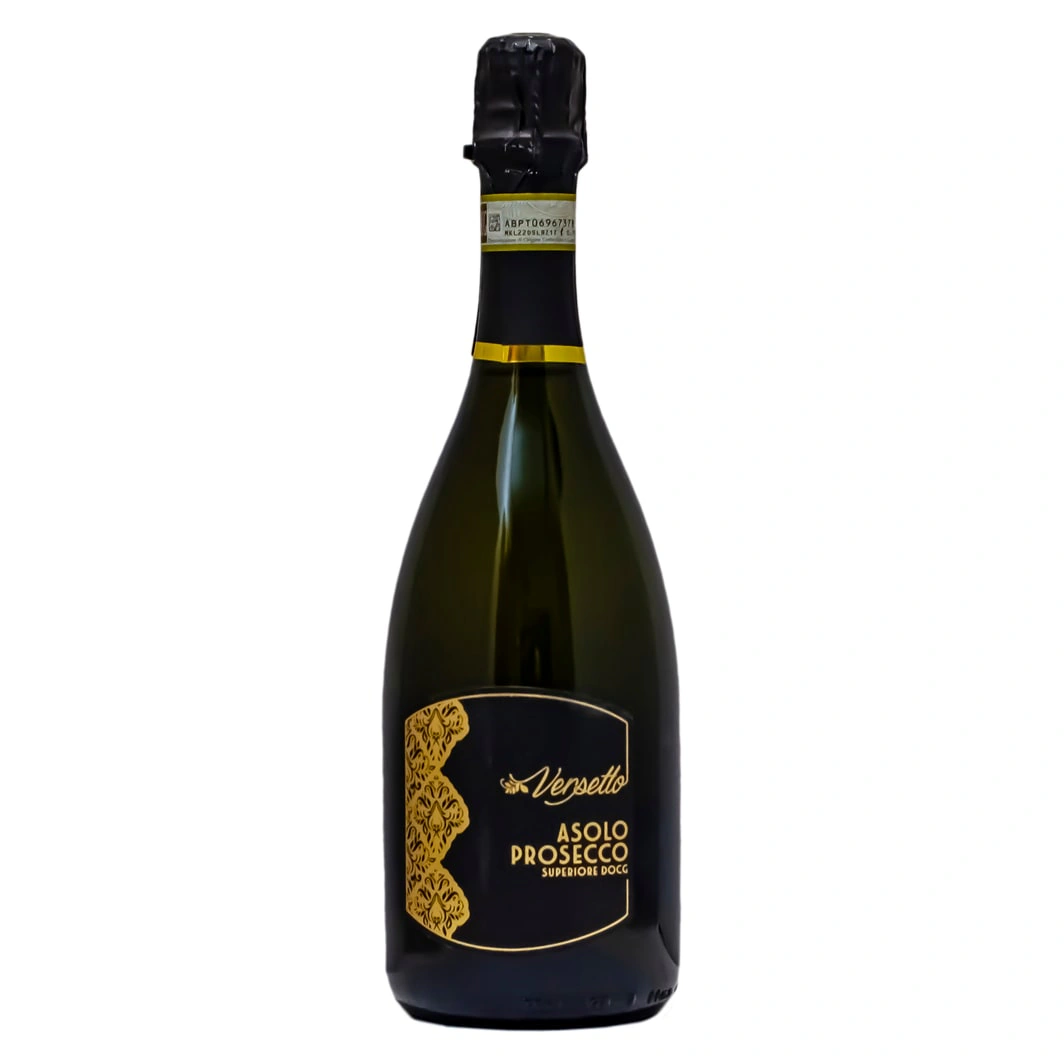
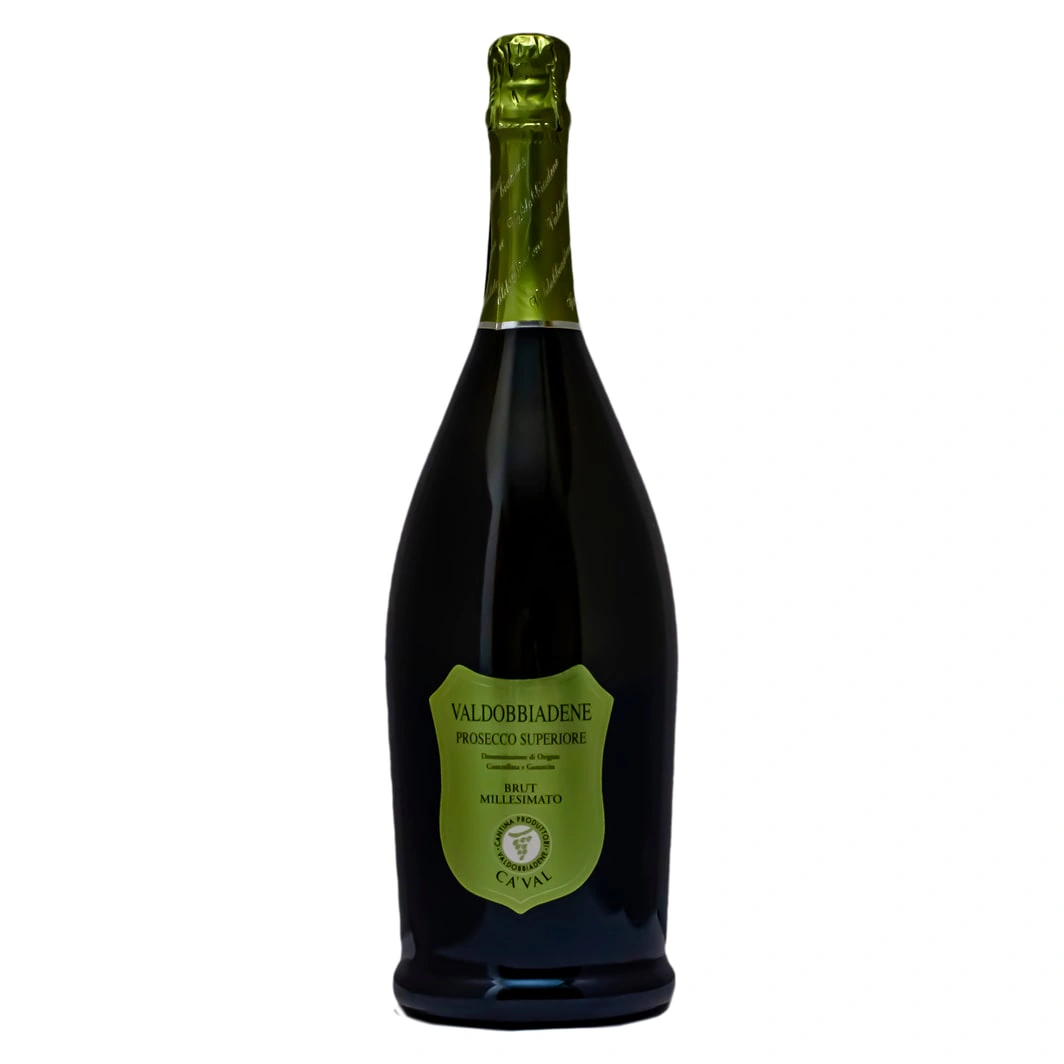
On the label you will meet three main categories. Prosecco DOC covers the widest area and the biggest production, roughly 90 % of what you see in the shops. Prosecco DOCG Conegliano Valdobbiadene has a tighter area and stricter rules, costs 2 to 4 EUR more, and tastes noticeably better. Prosecco DOCG Asolo is a smaller area, less known, often the best quality for the money in the DOCG segment.
You open Prosecco on a Friday evening, with pizza, on the terrace, in an Aperol Spritz. Do not mark it down for being cheaper. It does a different job.
Cava: the outsider that deserves more attention
Cava is made by the same method as Champagne. Second fermentation in the bottle, ageing on the lees. Only it happens in Spain, from different grapes, at a fraction of the price. That makes it one of the best value wines in the whole sparkling category.
Cheap Cava under 8 EUR is often mediocre. This is not the place to economise. But Cava in the 10 to 15 EUR range? It often beats a 30 EUR Champagne in a blind tasting. I have read results from several blind tastings where Cava Brut Nature from small producers scored higher than established Champagne houses.
Cava gives you the same brioche and toast character as Champagne, just a little less elegant in the second half of the sip. For 95 % of situations that is more than enough.
When to open what (a practical guide)
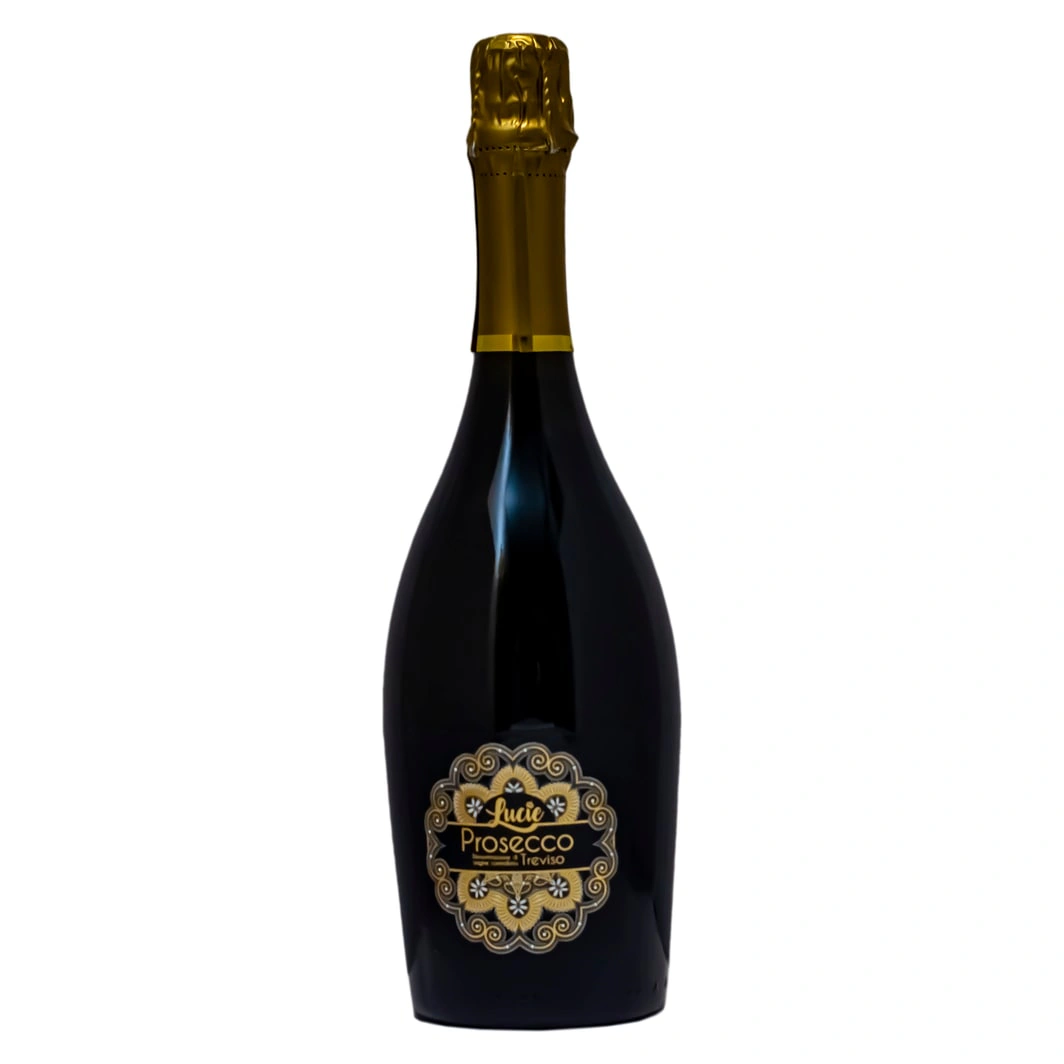
Friday evening, pizza, friends: Prosecco DOC, 7 to 9 EUR. Bedin Lucie Prosecco DOC or Canti Prosecco DOC from our catalogue are safe choices.
Aperol Spritz, summer terrace: Prosecco, any of them. The Spritz covers everything, do not sink money into a pricier bottle.
Family lunch with roast duck: Prosecco DOCG, Asolo or Valdobbiadene, 12 to 15 EUR. Bedin Versetto Asolo Prosecco DOCG Brut is exactly this occasion.
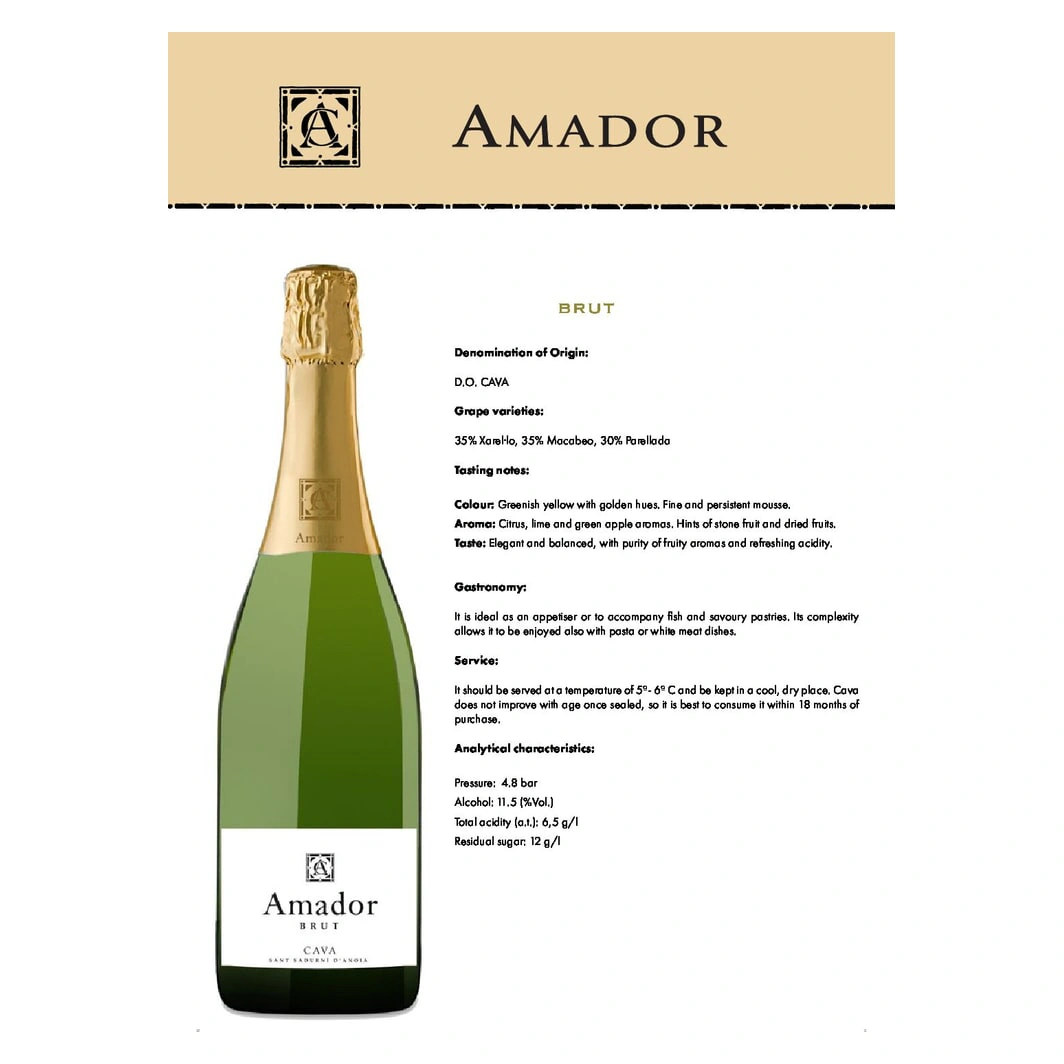
Something elegant and out of the ordinary, with cheese: Cava Brut Nature or Brut, 12 to 18 EUR. Clos Amador Cava Brut from Spain has enough character to hold its own against a Roquefort.
Wedding, anniversary, the once-a-year occasion: Champagne, if you can stretch to it. If not, Cava Reserva or a vintage Prosecco DOCG will do 80 % of the work for 30 % of the price.
Brunch with mimosas: cheap Prosecco. The orange juice covers everything. Save your money.
Brut, dry, demi-sec - what it actually means
Residual sugar is given in grams per litre. Brut Nature or Pas Dosé has 0 to 3 g/l, dry as paper, and works with fruit tarts in a gastronomic pairing. Extra Brut has 0 to 6 g/l, dry, gastronomic. Brut has 0 to 12 g/l and is the best selling category, dry across the board.
Then comes the historically confusing part. Extra Dry has 12 to 17 g/l, which is paradoxically sweeter than Brut. Dry has 17 to 32 g/l and is semi-sweet. Demi-Sec has 32 to 50 g/l, dessert level. Doux has 50+ g/l and is sweet, for puddings.
If you remember nothing else: Brut is the default. Extra Dry is sweeter than Brut. The logic makes no sense, I know.
The most common mistakes
More expensive does not equal better. Not always. An 8 EUR Prosecco with pizza beats a 50 EUR Champagne with pizza. The Champagne gets lost here.
Prosecco is not always sweeter than Champagne. It depends on the bottle. Brut Prosecco and Brut Champagne often carry similar sugar.
Champagne keeps for years, Prosecco does not. This one is true. Drink Prosecco within two years of bottling. Champagne will happily last 5 to 15 years, some of them longer.
Sparkling wine is only for celebrations, and that is the biggest shame of all. Brut Prosecco goes beautifully with seafood pasta, Cava with jamón, Champagne with fried chicken.
How to serve it: three things that actually work
Temperature 6 to 8 °C. Too cold kills the aroma, too warm turns the wine into foam.
A slim tulip glass. The classic flûte concentrates the aromas, but Champagne producers have moved to a wider tulip so the bouquet can open up. The classic coupe, the shallow bowl, is pretty but lets the bubbles evaporate straight away.
Open it so the bottle sighs rather than fires. Hold the cork and turn the bottle. As if you wanted to let a breath out, not launch it at the ceiling.
Frequently asked questions
Will an opened sparkling wine last until the next day? With a good stopper in the fridge, yes, 24 to 48 hours. Without a stopper it loses its bubbles within hours.
What does vintage mean on a sparkling wine? Wine from a single year, 2018 for example, usually of higher quality. Non-vintage is blended from several years to keep the brand tasting the same.
Why do some Proseccos foam more than others? Spumante has higher pressure, at least 3 bar. Frizzante has lower pressure, 1 to 2.5 bar. Frizzante is gentler and works well with food.
Which sparkling wine goes with cakes and sweet desserts? Moscato d'Asti. Sweet, lightly sparkling, only 5 to 7 % alcohol. Federico Ferrero Moscato d'Asti DOCG is the classic example.
Can you cook with opened Prosecco? Yes, in risotto, in sauces for fish, or in a Sgroppino - lemon sorbet, Prosecco and vodka. Do not pour it away.
What to remember
Three wines, three ways of making them, three different occasions. Prosecco for everyday life. Cava when you want a result close to Champagne for half the money. Champagne when it is a moment you want to remember.
And when you cannot decide, open a Prosecco. It never disappoints and it is always the right call.