May 21, 20268 min read
Real Roman Carbonara: a recipe from a Roman (and where to buy guanciale)
Four ingredients, one technique, no cream. How real Carbonara is made at home and why 90 % of the recipes online get it wrong.
Carbonara has four ingredients: guanciale, eggs, Pecorino Romano and black pepper. No cream. No onion. No garlic. No bacon. No parsley.
This is not a purist footnote, it is the centre of the whole recipe. Cream masks the technique that makes Carbonara what it is. Bacon replaces the ingredient that carries half the flavour. Garlic drowns the Pecorino.
Real Carbonara lives on turning egg and cheese into a creamy sauce using nothing but the heat of the pasta. No other liquid. No other fat except the guanciale that has rendered out. When you get it right, the result is unfairly good.
Ingredients for two people
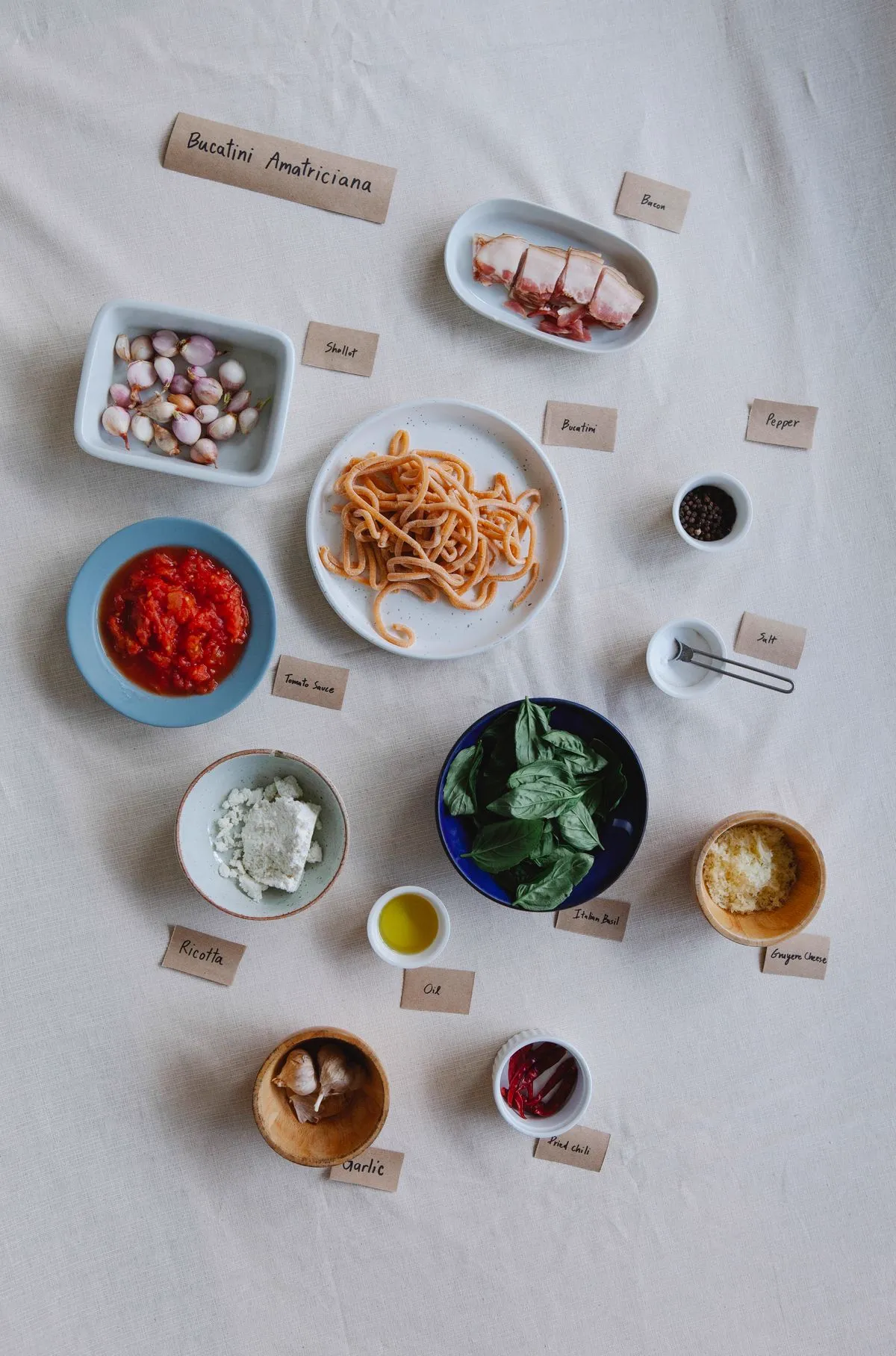
Four main ingredients, plus water and salt. Quantities are for two portions.
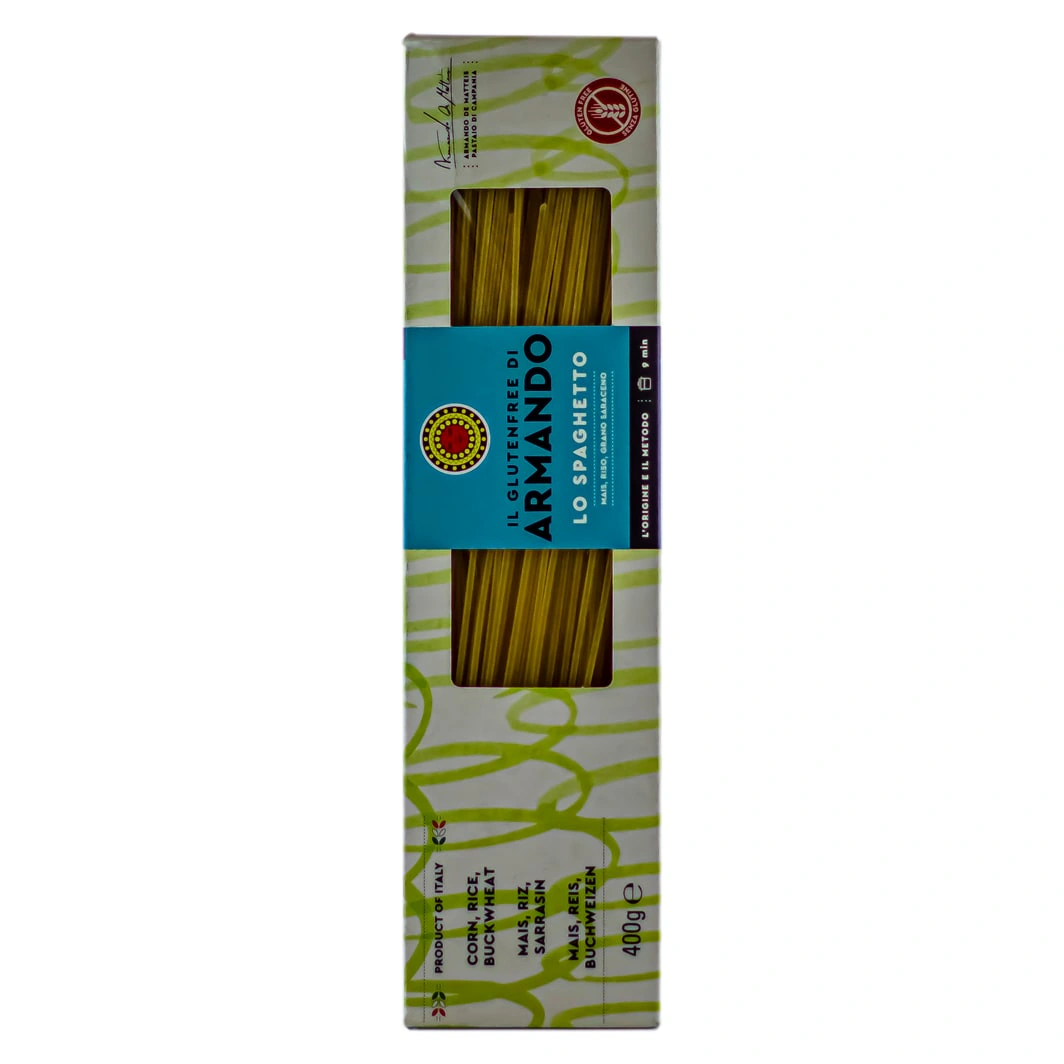
- Dried spaghetti or rigatoni - 200 g. Durum wheat, a bronze die holds the sauce better. Grano Armando Spaghetto 500 g does exactly this job.
- Guanciale - 100 g. Cured pork cheek from Lazio. In a pinch: pancetta. Never bacon - it is smoked and changes the flavour.
- Egg yolks - 4, plus 1 whole egg. At room temperature.
- Pecorino Romano DOP - 60 g, freshly grated. Not parmesan - it is too mild.
- Black pepper - freshly ground, at least half a teaspoon.
- Salt for the pasta water. No oil, no other fat.
Step by step
5 minutes prep, 15 minutes cooking. The crucial moment is step 7 - pan off the heat.
- Cut the guanciale into strips about 1 cm thick. Too thin and it burns, too thick and it stays rubbery.
- Put salted pasta water on. Salt it less than usual - both Pecorino and guanciale are salty.
- Beat 4 yolks and 1 whole egg with the Pecorino and plenty of pepper into a smooth paste. This is the base of the sauce.
- Put the guanciale in a dry cold pan. Over medium heat cook 4-6 minutes until golden and crisp at the edges. Set aside, keep the fat in the pan.
- Cook the pasta al dente, a minute less than the packet says. Before draining, save a cup of the pasta water - do not forget.
- Off the heat, toss the drained pasta in the guanciale fat.
- Pour in the egg mix and stir hard at once. The pan should be only warm - a hot pan gives an omelette, a cold one a thin sauce.
- Add pasta water a spoonful at a time until the sauce thickens into a smooth cream that coats the pasta.
- Return the guanciale, dust with Pecorino and freshly ground pepper. Serve immediately - carbonara does not wait.
The most common mistakes
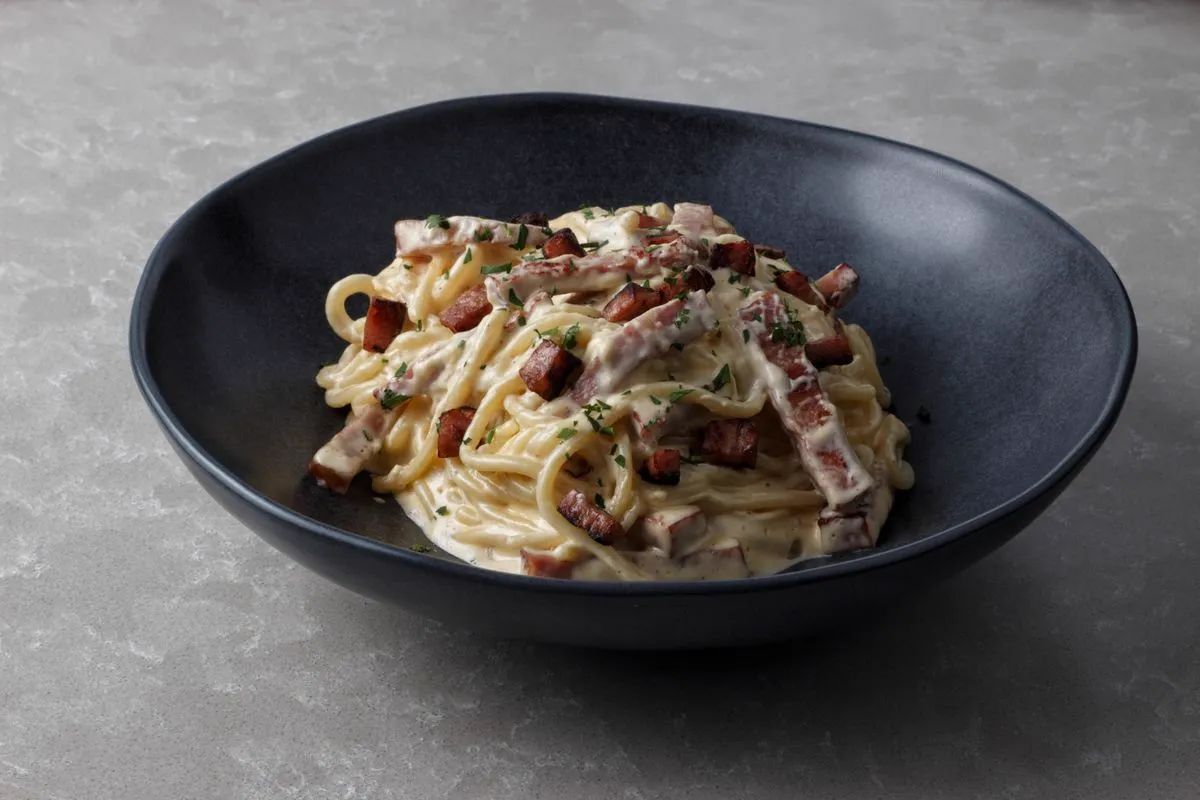
Where it most often goes wrong:
- Cream. The biggest crime - it dilutes the flavour and hides the technique. Dry carbonara? More pasta water, not cream.
- Bacon instead of guanciale. That smoke changes the character of the dish completely.
- Pan on the heat when the eggs go in. They scramble and you get an omelette. No fixing it, start again.
- Parmesan instead of Pecorino. Too mild, and the result has no umami centre.
- Too few yolks. 2 yolks plus half a whole egg per person, not 1 whole egg.
- Forgetting the pasta water. Without it you never get the sauce to the right consistency.
What to open alongside it
Carbonara is salty, fatty and intense. It needs a wine that cleans up after it, not one that piles on.
A dry white with good acidity fits best. Frascati Superiore, Verdicchio, Pecorino from the Marche. Bubbles work too: Brut Prosecco DOC or Cava cut through the salty fat and refresh the palate.
If you want red, pick something light and juicy, no tannic monsters. A Tuscan Sangiovese in the Chianti Classico style works.
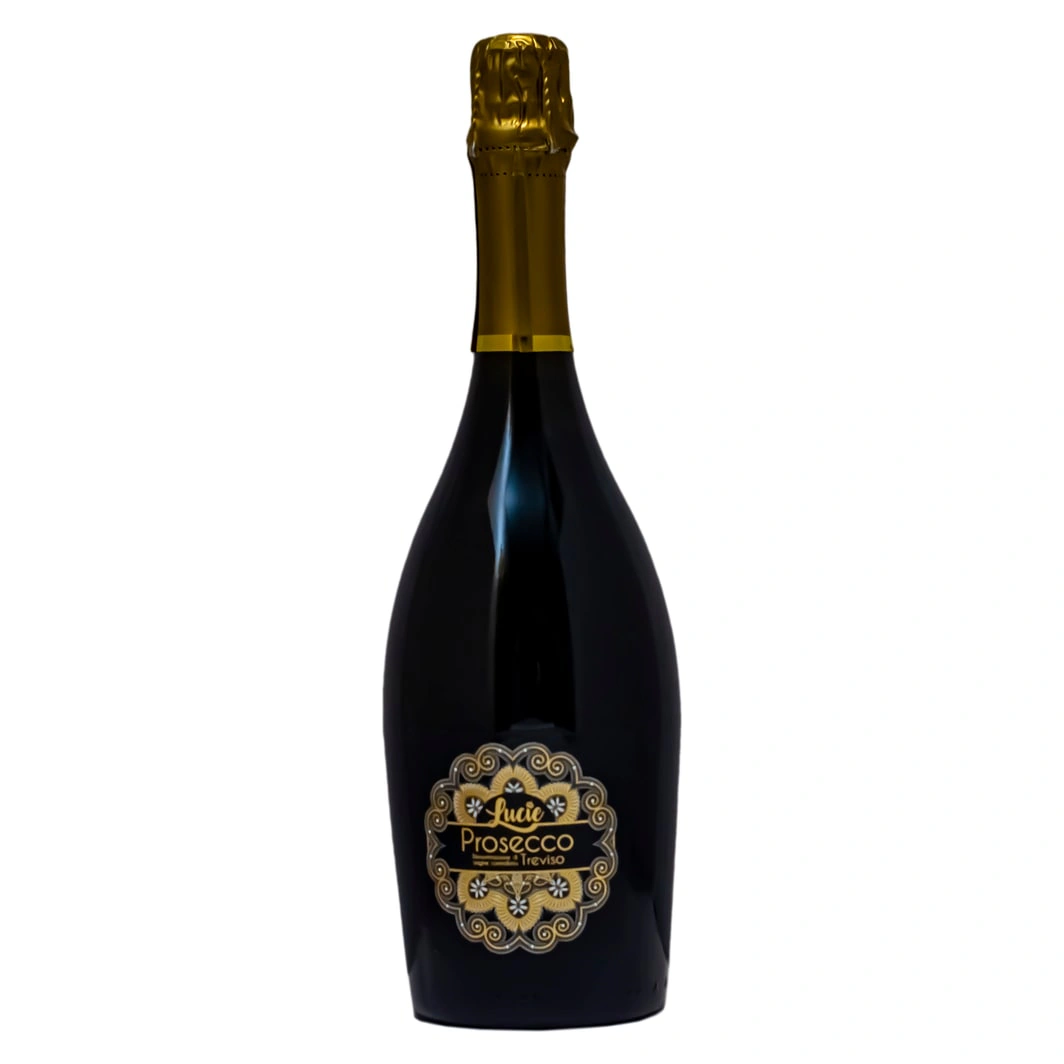
From our catalogue, Bedin Lucie Prosecco DOC is a safe choice with Carbonara, even if the traditionalists will grumble about it.
Where to buy the ingredients in Slovakia
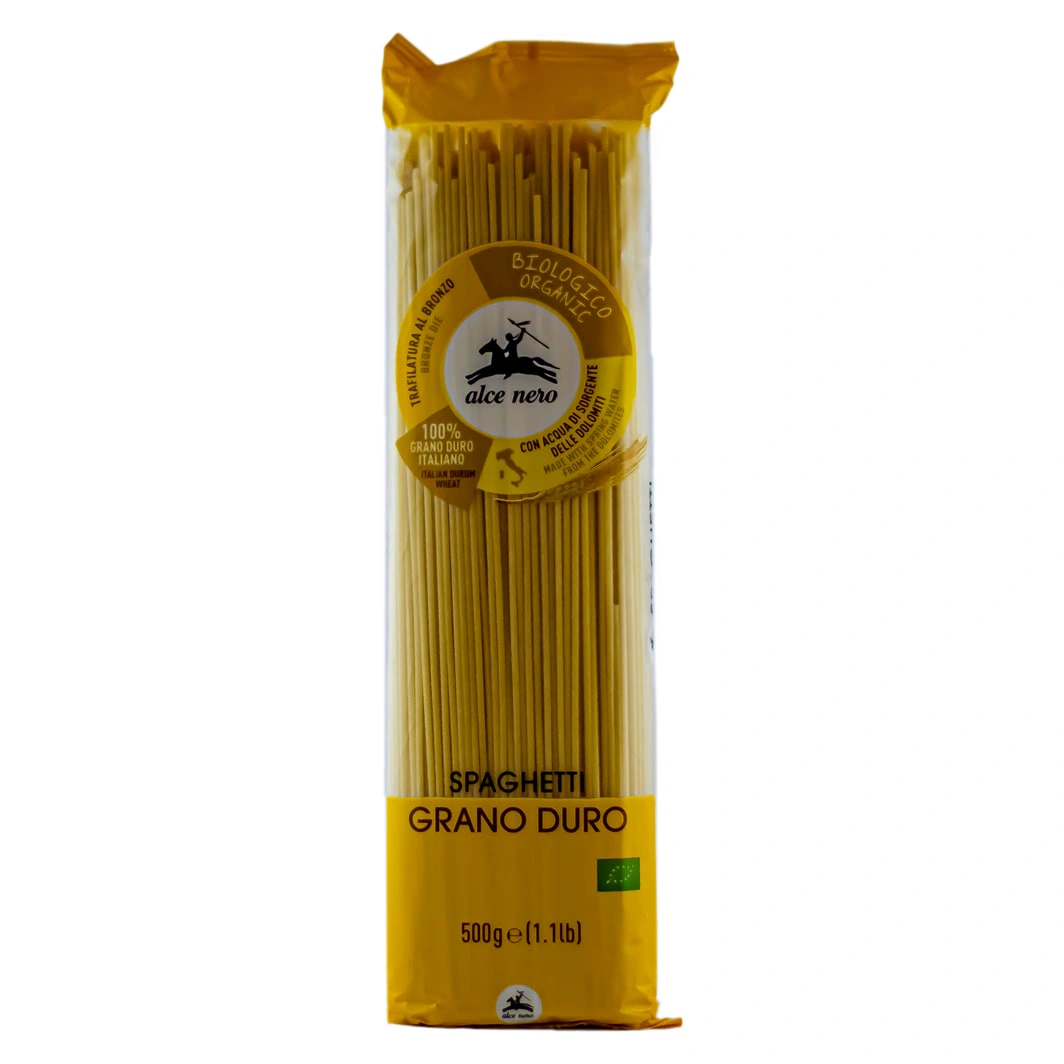
Pasta: Grano Armando Spaghetto is in our catalogue - durum wheat without pesticides, bronze die, slow dried. Italian quality at a sensible price. If you want organic, take Alce Nero Bio Spaghetti 500 g.
Guanciale: this one is harder. Italiamo does not currently import guanciale because of the cold chain, but cured pancetta is available from some Italian delis in Bratislava and Košice. If you are going to Italy, buy one, it keeps 3 to 4 weeks in the fridge.
Pecorino Romano DOP: look for Brunelli or Locatelli. Our catalogue carries Pecorino from Sardinia, which is drier and saltier and works very well even though it is not Romano.
Eggs: farm eggs, as fresh as you can get. Ideally free range with a known source.
To finish
Carbonara is not a hard recipe. Four ingredients, twenty minutes, no complicated technique. But it demands respect for the ingredients and an exact temperature at the moment the eggs meet the pasta.
The first time it works, you understand why a Roman suffers watching tourist videos of Carbonara swimming in cream. What we are making is a completely different dish. Buon appetito.