September 1, 20268 min read
Pasta with real pesto Genovese: a Ligurian recipe in 15 minutes
Seven ingredients, no cooking the sauce, no cream. How to make pasta with pesto Genovese the way they do it in Genoa - and how to turn a jar of Alce Nero into a plate you would not be ashamed of.
Pesto Genovese is not a green sauce you pour over pasta and heat up. That is the version most people around here have eaten, and it is a shame, because real pesto is a different league.
Real pesto is never cooked. Never. The moment you drop it into a hot pan, the basil browns, the olive oil turns bitter and the cheese splits. What was meant to smell like a garden in July suddenly tastes like grass with garlic.
Good news: doing it right takes 15 minutes and you need neither a mortar nor a marble slab. You need good pesto, the right pasta, a pot of water and one technique I will walk you through. Let's go.
What real pesto Genovese actually is
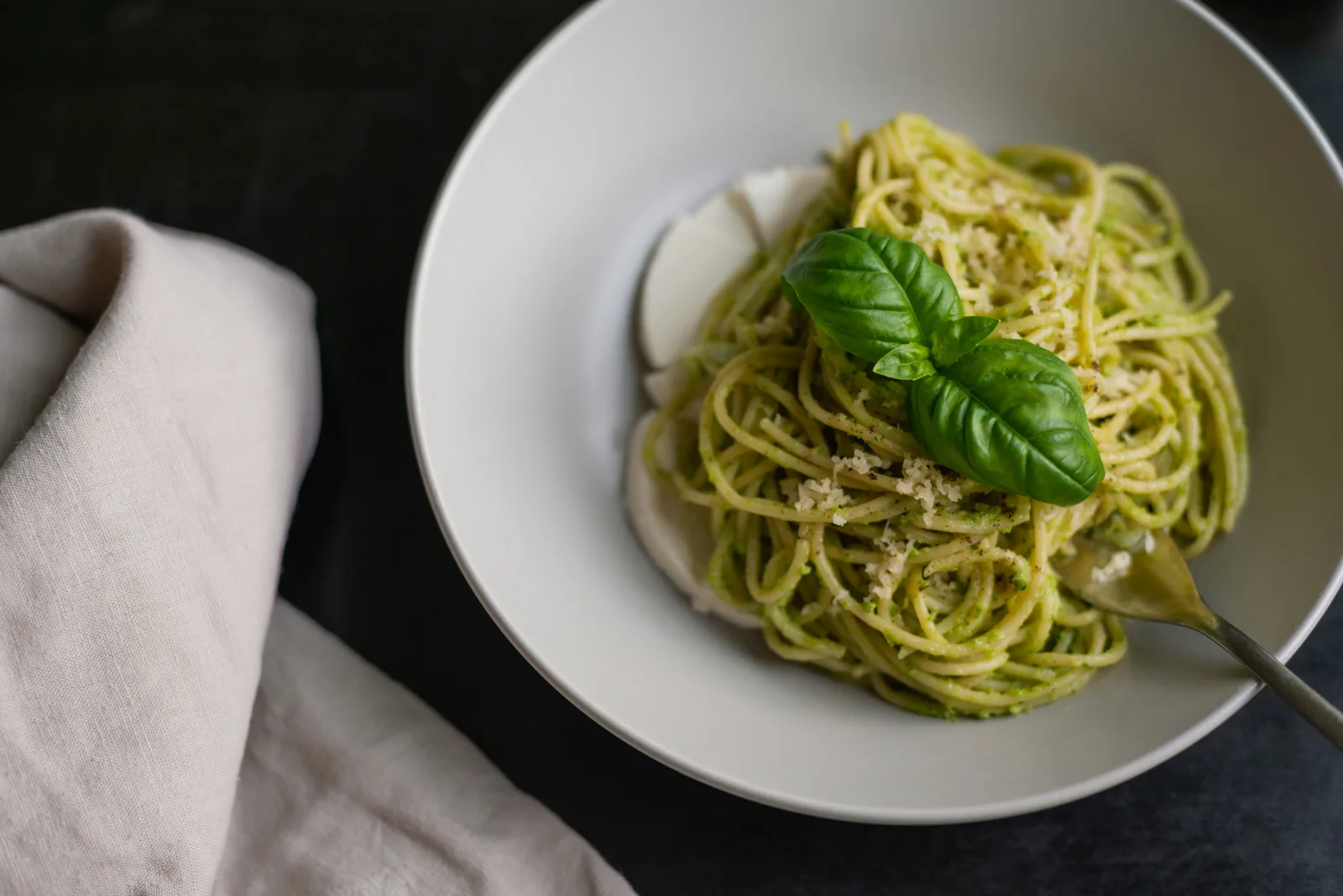
Pesto comes from Liguria, the narrow strip of coast around Genoa. The word pesto comes from pestare - to pound. It was originally made in a marble mortar with a wooden pestle, and many Ligurians will tell you it is not pesto otherwise.
Real pesto Genovese has exactly seven ingredients: basil (ideally Basilico Genovese DOP, small and delicate, not the big-leaf stuff from the hypermarket), extra virgin olive oil, pine nuts, garlic, coarse salt, Parmigiano Reggiano and Pecorino. Nothing more. No cream, no butter, no spinach to top up the colour.
If you want to learn how to tell pestos apart and what to look for on the label, I have a separate test for that: how to choose real pesto. This article is about what you do with it in the kitchen afterwards.
Ingredients: what you actually need
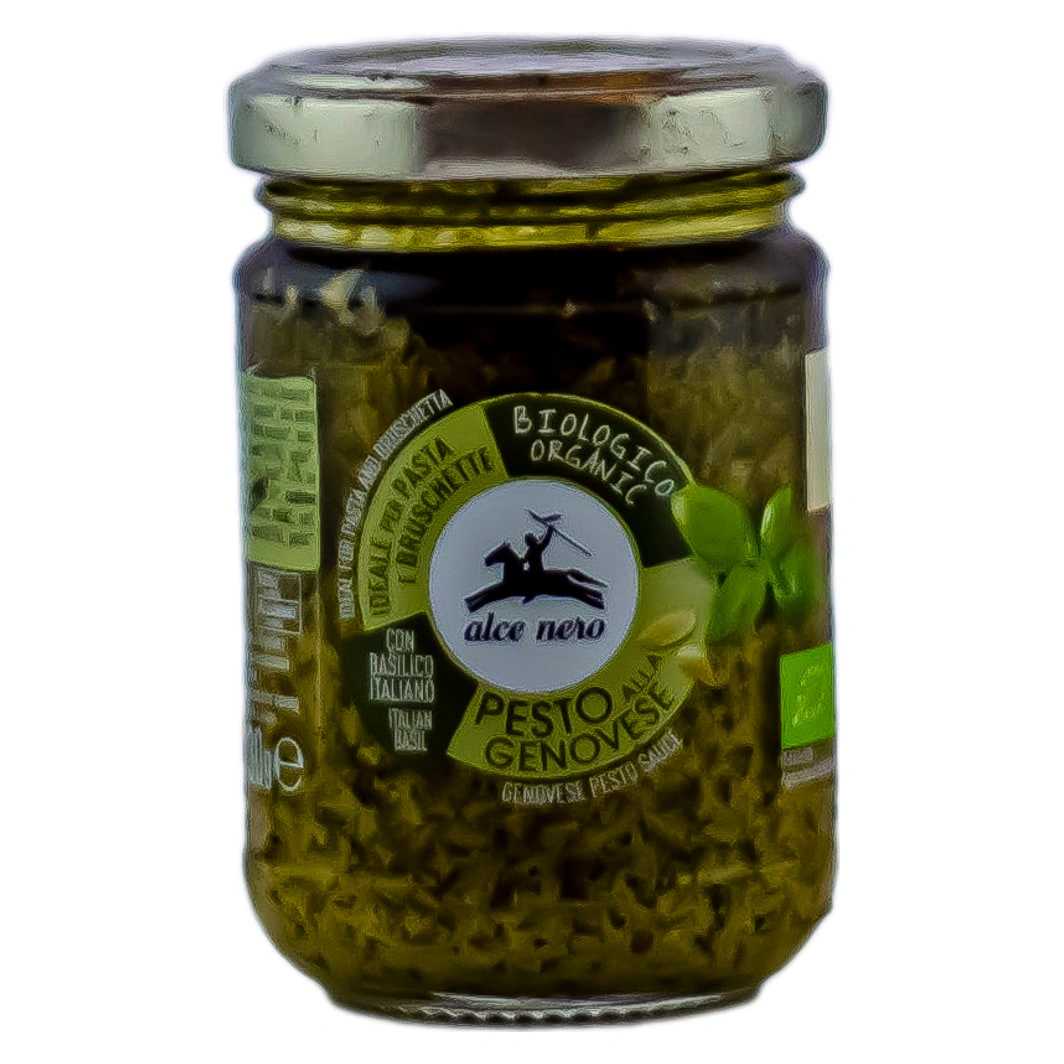
You do not have to make pesto from scratch. Good jarred pesto is so good these days that few people can tell it from homemade - provided you pick a good one and handle it correctly. We use Alce Nero Pesto Genovese, organic, with basil, Parmigiano and Pecorino, and nothing pointless in the ingredient list.
For a portion for two you need roughly this:
- 200 g pasta (penne, trofie or linguine)
- half a jar of pesto (about 90-100 g)
- a handful of extra grated Parmigiano
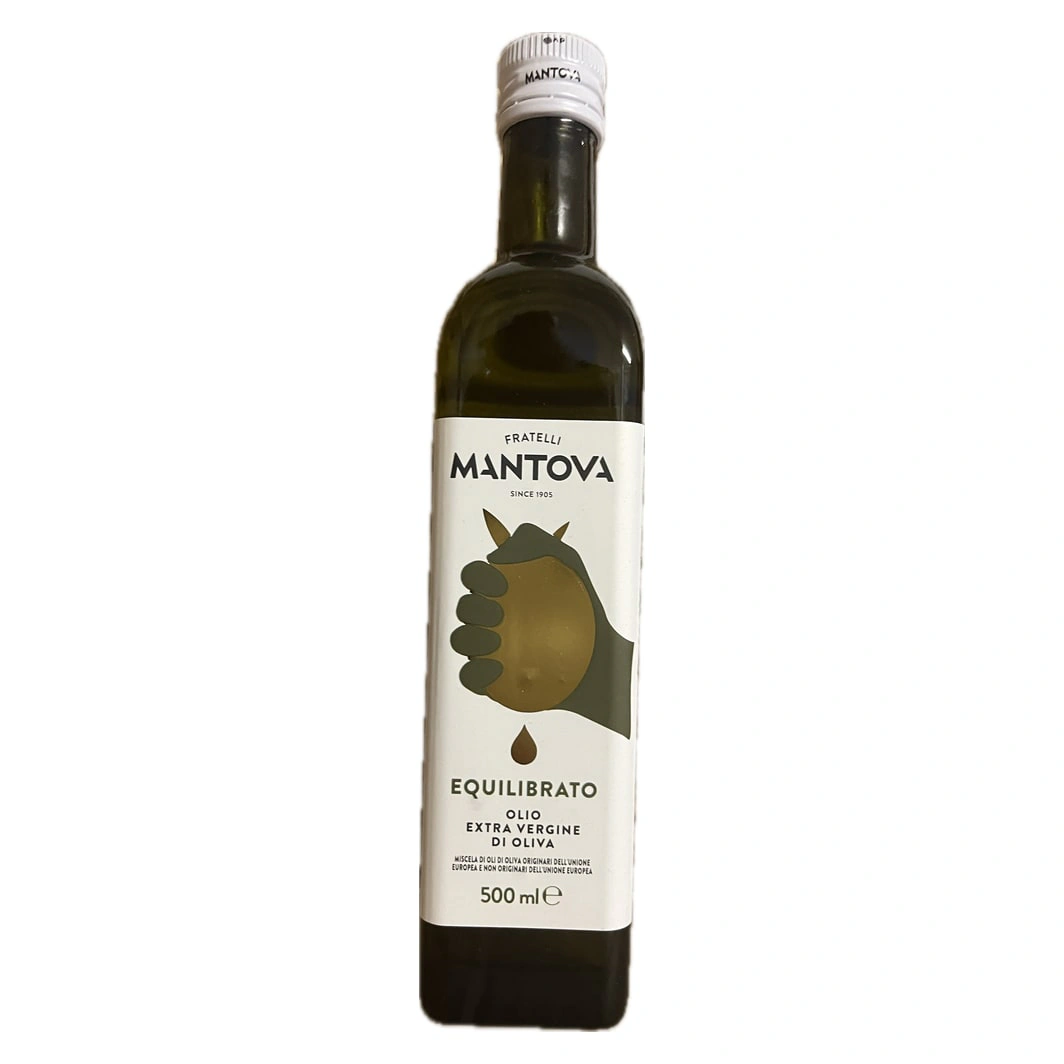
- a spoon of good extra virgin olive oil to finish
- coarse salt for the water
- one small potato and a handful of green beans - optional, a Ligurian classic (more below)
The pasta: trofie, or whatever you have
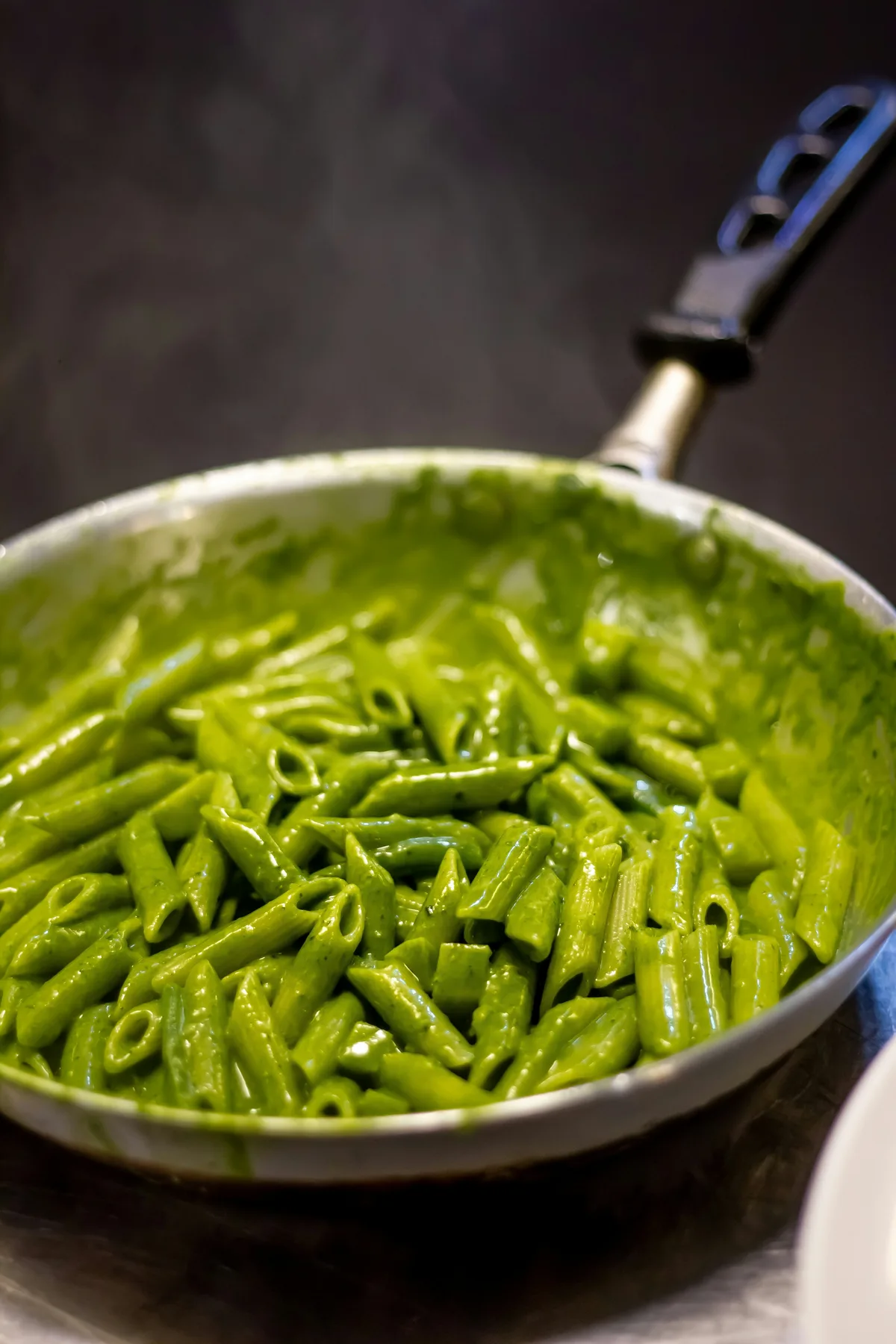
In Liguria pesto is traditionally served with trofie, short twisted pasta that holds sauce in its folds. Or with trenette and linguine. The shape has logic to it: you want pasta with plenty of surface, so as much of the thick pesto clings on as possible.
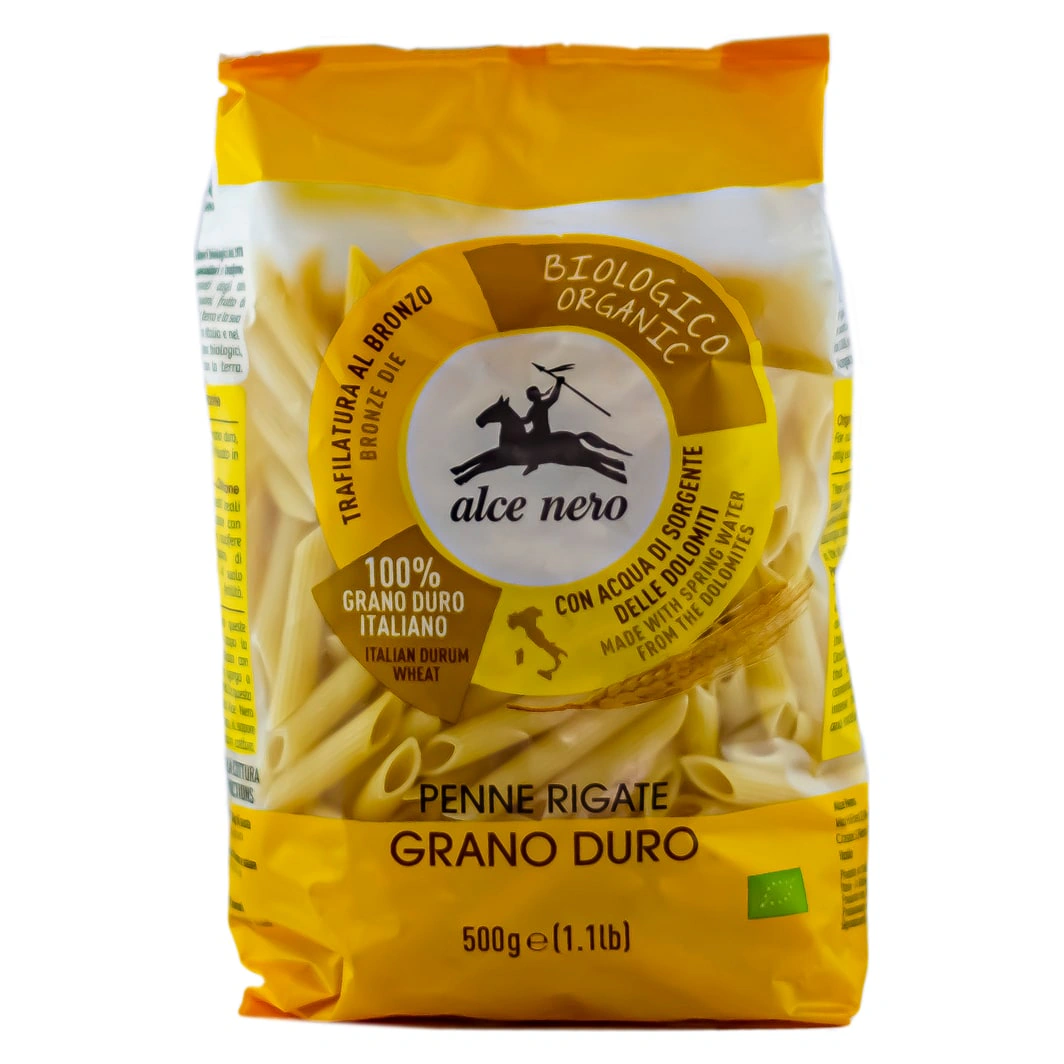
If you cannot find trofie, Alce Nero organic penne are an excellent available choice - the ridged tubes catch pesto neatly, inside and out. Spaghetti work too, but pesto slides off them and more of it ends up at the bottom of the bowl.
Whatever you pick, cook it al dente, a minute shorter than the packet says. It will still be tossed with pesto, and the hot pasta will finish cooking itself.
The recipe step by step
The whole trick is in one sentence: pesto is combined with the pasta off the heat, and loosened with the starchy cooking water. Nothing simmers, nothing bubbles. Like this:
- Bring a large pot of water to the boil and salt it well - it should taste like sea water. This is the only salt in the whole recipe.
- While the water heats, put the jarred pesto into the large bowl you will toss in later. Add a handful of freshly grated Parmigiano and stir well.
- Drop the pasta into the boiling water and cook a minute shorter than the packet says.
- Just before draining, scoop out a mug of the pasta water. This is the most important step. Do not tip it away.
- Into the bowl of pesto, add two or three spoons of that hot starchy water and stir into a smooth, creamy base. The pesto should loosen to the consistency of cream.
- Move the drained pasta into the bowl and toss energetically for 30-60 seconds. Add more pasta water a spoon at a time as needed, until the sauce coats every piece with a glossy sheen.
- Finish with a spoon of extra virgin olive oil and a little more Parmigiano. Taste. Serve at once - pesto does not wait on the plate.
The Ligurian bonus: potato and green beans
In Genoa, pasta with pesto almost always arrives with pieces of potato and green beans right there in the dish. It is not a garnish - it is the original. The potato releases starch into the water that makes the sauce even creamier, and the beans add crunch.
The method is simple: dice a small potato and cut the beans into pieces, and drop them into the same water as the pasta. Add the potato about 5 minutes before the pasta, the beans along with it. Drain everything together and toss with pesto the same way. Try it once. Going back to the plain version is hard after that.
What to pour with it
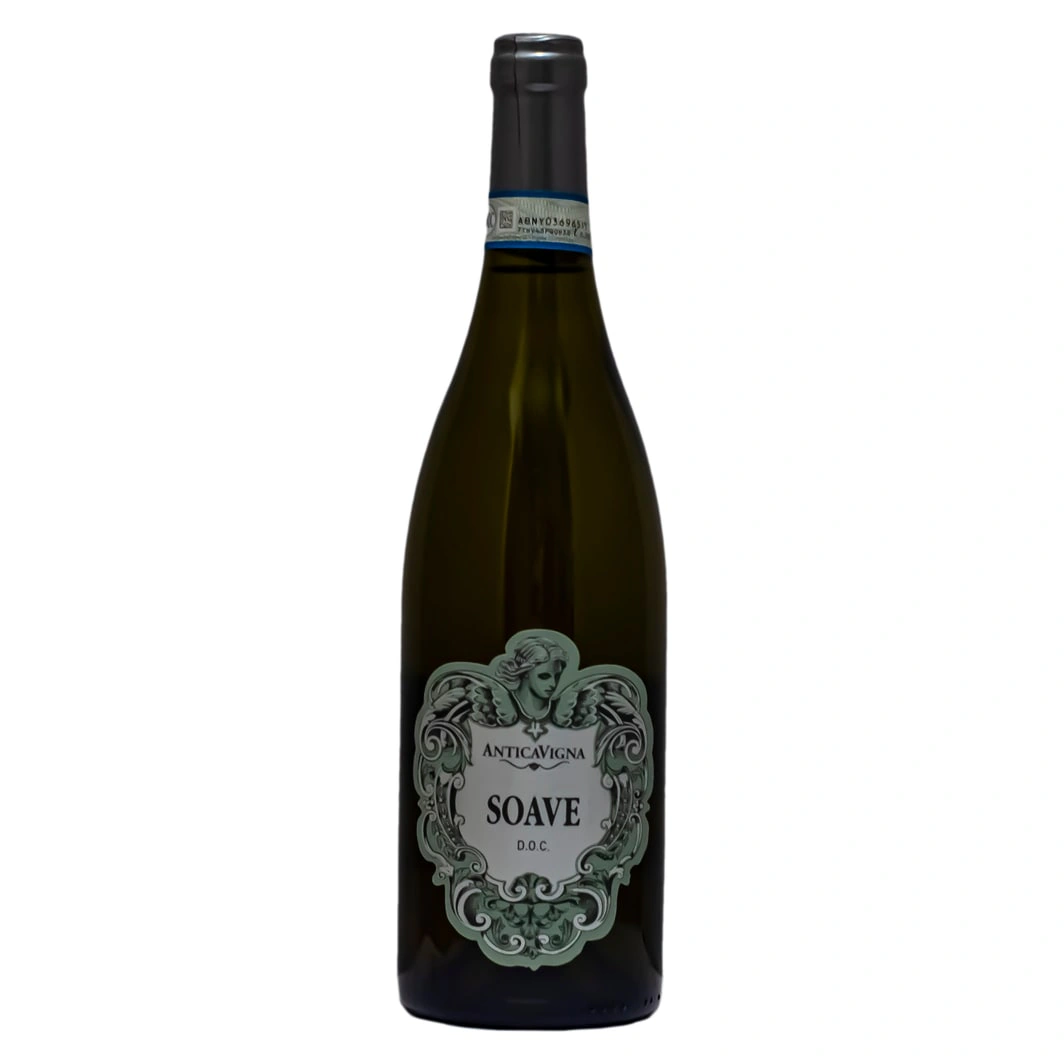
Pesto is oily, herby and salty. It wants a wine that cuts through it - dry, fresh white with plenty of acidity. The Ligurian original is Vermentino or Pigato, but Soave DOC by Antica Vigna sits beautifully with this plate too - a dry Veronese white from the Garganega grape, with an apple-and-almond profile and a clean finish.
If you prefer red, keep it light and cool - nothing heavy or oaky, that would steamroll the basil completely. But honestly: with pesto, white is the better call.
- Can I heat pesto in the microwave or in a pan?
- No. Heat destroys the basil and the oil. Pesto only warms through from freshly drained pasta and the hot cooking water - that is plenty, and the flavour stays fresh.
- How long does an opened jar of pesto keep?
- About a week in the fridge. Always cover it with a thin layer of olive oil so the surface does not brown from the air. You can freeze the rest in an ice-cube tray and use it a spoon at a time.
- Why does my sauce stay oily and won't come together?
- You are missing the starchy pasta water, or not tossing enough. Add two or three spoons of the hot cooking water to the pesto and toss energetically - the starch binds the oil and cheese into a creamy emulsion.